


Micro Bikinis Brasileños Explained Through French Luxury Style and Fit
Posted by ROBOT-SPEED

Micro Brazilian bikinis refer to swimwear that combines exceptionally minimal coverage with a Brazilian-style bottom, which exposes more of the buttocks than a conventional brief while retaining recognizable structure. The terms are not interchangeable: "Brazilian" describes the rear cut, while "micro" describes the overall reduction in fabric across the garment.
French retailers use overlapping labels, including micro bikini, microkini, Brazilian bikini, and swim string, and the same product may appear under more than one name. There is no single industry definition specifying minimum fabric area or exact dimensions, so shoppers should check garment measurements and photographs rather than relying on the label alone.
A micro Brazilian bottom sits toward the minimal end of the coverage spectrum but need not be identical to a full thong or G-string.
Lola Luna Lingerie, a French luxury lingerie house that has been handcrafted since 1975, applies the same exacting standards to the cut, materials, and finish of its intimate apparel. This guide addresses coverage, construction, fit, fabric selection, styling, and care for discerning buyers navigating the nuances of minimal swimwear.
What Micro Brazilian Bikinis Actually Describe
The phrase combines two distinct characteristics rather than naming a fixed product category. A Brazilian bottom describes the rear cut: it exposes more of the buttocks than a conventional brief, typically through a higher back line and narrower sides, while maintaining recognizable bikini structure.
Micro describes the degree of coverage: exceptionally small fabric panels, narrow ties, and minimal overall material across both top and bottom.
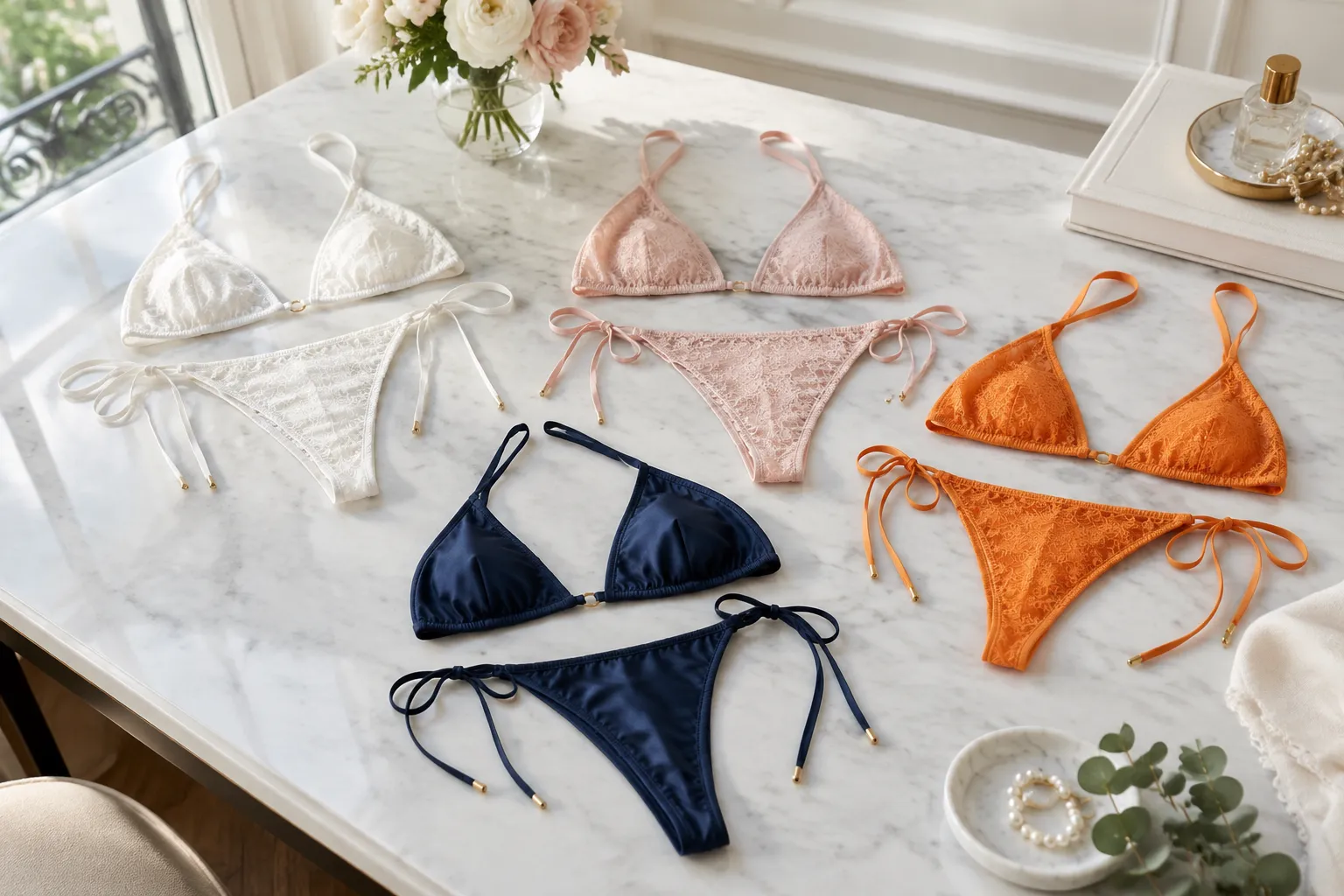
Brazilian Cut Versus Micro Coverage
A Brazilian bikini refers primarily to the shape at the back. French-language retailers describe it as revealing a substantial portion of the buttocks while retaining more structure than a string or thong.
A micro bikini, by contrast, reduces fabric to the strict minimum, often using string sides and very small triangular cups. When the two terms appear together, they signal a Brazilian-style rear paired with especially limited coverage that is narrower than a standard Brazilian brief but not necessarily identical to a full thong.
Why Retail Names Do Not Tell the Whole Story
There is no single industry definition specifying minimum fabric area, mandatory rear coverage, or exact dimensions. Sellers use related labels such as micro-string, Brazilian string, and microkini, and the exact cut varies by brand.
The garment construction and stated product description therefore matter more than the name alone. Check the fabric panels, side width, and rear coverage when choosing a style, rather than relying on terminology that retailers apply differently.
Why Minimal Coverage Changes the Entire Wearing Experience
A narrower rear and reduced fabric area change how a garment sits, moves, and appears during wear. The Brazilian cut exposes a greater proportion of the buttocks than a conventional brief, creating a more sculpted visual line that many wearers seek for a refined, elongated silhouette.
When paired with micro proportions, the garment relies on strap placement, edge finishing, and fabric recovery to remain secure and comfortable throughout the day.

Minimal coverage makes construction quality more noticeable. A premium lining, reinforced edges, and carefully positioned ties prevent shifting or discomfort that a larger cut would conceal.
Calais lace, silk, and embroidered tulle offer both visual refinement and the structural integrity required when fabric panels are small and placement is precise. The garment should hold its shape after exposure to water, sun, and movement rather than stretch or lose elasticity.
Silhouette, Exposure, and Visual Proportion
The visual effect depends on proportion rather than simply reducing fabric. A well-constructed Brazilian bottom maintains a recognizable bikini structure while revealing more skin, whereas a poorly designed piece may rely on ties that dig into the hips or seams that roll during wear.
Marketing descriptions such as elegant, sculpted, or daring describe the intended style, not guaranteed technical performance. Check the garment's stated fabric composition, lining, and edge treatment to assess whether the design will deliver the refined appearance the label suggests.
When Delicate Construction Supports Comfort
Luxury positioning becomes credible when premium materials connect to observable garment details. A micro Brazilian bikini made from Calais lace and silk, finished with flat seams and lined where coverage is minimal, offers a different wearing experience from a similar silhouette constructed from unlined synthetic fabric.
The distinction matters for women seeking exclusive swimwear and brazilian lola-inspired aesthetics, where the garment must feel as refined as it appears.
How to Choose the Right Cut, Material, and Size
Start by reading the product description rather than relying on the label alone. A bottom described as a Brazilian brief offers more fabric at the sides and rear than a string or G-string, even when both carry a micro label.
Adjustable sides allow you to control tension and fit, while fixed-width sides require more precise sizing.
If the listing mentions lining, seam placement, or stay-put edges, the design prioritizes stability alongside minimal coverage.
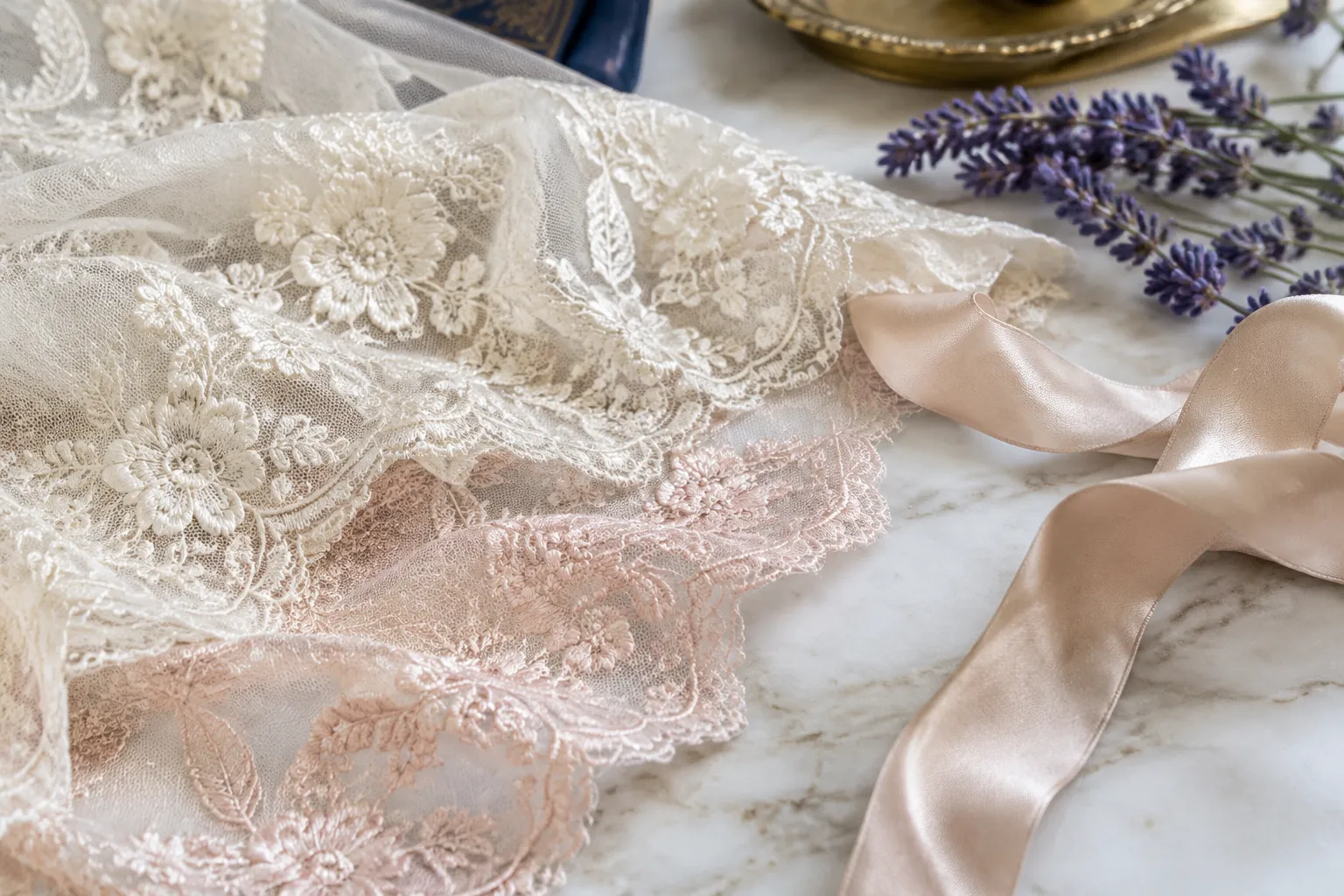
Read the Bottom Description Before Ordering
Product titles overlap because retailers use micro-string, Brazilian string, and microkini interchangeably. A Brazilian-cut rear exposes part of the buttocks while maintaining a recognizable bikini structure, whereas a micro design reduces the fabric to the bare minimum across the entire garment.
Check the stated rear coverage, side width, and tie construction. A bottom with two rear panels and adjustable sides offers more stability than a narrow central string, even when both qualify as minimal.
If size guidance or a fit chart appears, compare your hip and waist measurements with the brand's stated range before ordering the smallest available option.
Match Fabric and Structure to Intended Wear
Premium materials influence both appearance and durability. Calais lace, silk, and embroidered tulle offer the refined finish associated with French handcrafted lingerie, such as that produced by Lola Luna Lingerie, whose pieces are made in a workshop near Avignon.
However, these fabrics appear more often in lingerie sets than in swimwear designed for chlorine, saltwater, and sun exposure. For swimwear, look for stretch-fabric composition, lining information where coverage is minimal, and flat or reinforced seams that resist rolling during movement.
Consider a hypothetical example: a shopper who wants a daring silhouette but prefers secure wear may choose a Brazilian-style rear with slightly wider sides and adjustable ties rather than the narrowest string design. The garment remains visually minimal while offering enough structure to stay aligned without constant adjustment.
Conversely, a wearer comfortable with very revealing coverage and familiar with tie bikinis may opt for the smallest panels and narrowest strings, accepting the trade-off in stability for maximum skin reveal.
Pro tip: If you are trying this silhouette for the first time, select a design with adjustable ties at both hips and a stated lining. Adjustability lets you fine-tune the fit after trying on the garment, and lining reduces transparency where the fabric is thinnest.
How to Style a French Luxury Micro Bikini Without Losing Elegance
A minimal Brazilian-cut bikini becomes part of a refined look when the styling choices around it are deliberate. The garment itself occupies very little visual space, so balance comes from texture, proportion, and restraint rather than coverage alone.
Balance Minimal Swimwear With Refined Layers
Pair Brazilian micro bikinis with a lightweight cover-up that offers structure without competing for attention. A sheer linen tunic, a silk sarong knotted at the waist, or a tailored beach shirt in a tonal shade maintains visual coherence.
The key is introducing one statement element rather than layering multiple embellished or revealing details. When the bikini itself is already minimal, additional pieces should anchor the look without fragmenting it.
Choose accessories that reinforce the intended tone. A woven straw hat, understated sunglasses, and simple metallic sandals create an intentional look.
Avoid stacking bold prints, heavy jewelry, or overly casual sportswear alongside a piece designed for elegance.
Let Texture and Color Do the Work
Harmony across materials strengthens the overall impression. A Brazilian-cut bikini in silk or Calais lace benefits from coordinating cover-ups in similarly tactile fabrics: fine knits, washed linen, or lightweight cotton voile.
Keep the palette tonal or monochromatic to avoid visual clutter.
Luxury presentation extends beyond the garment itself. When a bikini arrives in thoughtful packaging, such as a signature box, the unboxing experience reinforces the product's positioning.
This principle applies equally to lingerie: Lola Luna Lingerie's handcrafted French pieces are presented in signature boxes that reflect the brand's attention to detail and exclusivity, supporting a premium purchase or gifting occasion.
Care Mistakes That Can Ruin Delicate Minimal Pieces
The care label inside the garment determines the correct handling method. Silk, Calais lace, embroidered tulle, and mixed-fiber constructions each require different treatment. A general recommendation for synthetic swimwear does not apply to handcrafted pieces made from noble materials.
Read the label before washing.
Protect Fine Fibers and Decorative Details
Machine washing can snag lace, stretch narrow ties, and distort embroidered tulle. Hand washing in cool water with a gentle detergent preserves the fabric structure.
Avoid wringing or twisting the garment; press excess water out gently with a towel instead.
Rough surfaces damage fine materials. Keep Brazilian micro bikinis away from jewelry, fasteners, and textured poolside furniture.
Store them separately from garments with hooks or zippers that can catch on delicate straps.
Store the Garment Without Stretching It
Damp fabric invites mildew and odor. Allow the piece to dry completely and flat before folding it.
Hanging a wet garment by its narrow ties stretches the elastic and distorts the fit over time.
Compression flattens lace and weakens fine elastic. Fold the garment loosely rather than rolling it tightly or crushing it under heavier items.
A breathable fabric pouch, such as the one provided with some luxury purchases, protects the piece during storage and travel.
Careful maintenance preserves the appearance and structure of a premium garment, but it cannot substitute for the manufacturer's instructions. When a piece arrives with specific care guidance, follow it exactly.
Frequently Asked Questions About Micro Brazilian Bikinis
Are micro bikinis and Brazilian bikinis the same style?
No. The terms describe different attributes. A Brazilian bikini refers primarily to the rear cut, which exposes more of the buttocks than a conventional brief while retaining a recognizable bikini shape.
A micro bikini emphasizes minimal fabric coverage overall, typically featuring very small triangles, narrow ties, and string construction. A garment may combine both characteristics, resulting in a micro Brazilian bottom that pairs especially limited coverage with a Brazilian-style rear cut.
What is the difference between a Brazilian brief, a tanga, and a string bottom?
A Brazilian brief sits between a traditional brief and a thong, offering moderate rear coverage with a cut that exposes more of the buttocks. A tanga is similar but may vary slightly in side width and rear-panel shape depending on the manufacturer.
A string bottom uses narrow ties or cords at the sides and often resembles a thong, with minimal or no rear fabric panel. French retail descriptions commonly classify the string as the most minimal option, while the Brazilian brief retains more structure.
How can I choose the right size for a minimal-coverage bikini?
Consult the size guide and compare your measurements to the garment's stated dimensions rather than relying solely on the product name. Check adjustability features such as tie closures or adjustable side straps, which allow you to fine-tune the fit.
Review the side width, lining presence, and construction details in the product description. When fabric coverage is extremely limited, accurate measurements become essential to comfort and security.
Which materials require the most delicate care?
Silk, Calais lace, and embroidered tulle demand careful handling. Hand wash these fabrics in cool water with a gentle detergent, avoid wringing or twisting, and lay them flat to dry away from direct sunlight.
Check the care label for specific instructions, as some pieces may require dry cleaning. Materials used in luxury lingerie may not be suitable for chlorinated pools or saltwater exposure, so confirm the garment's intended use before wearing.
Can a micro bikini still look elegant and refined?
Yes, when crafted from premium materials with careful finishing. Lace, silk, and fine embroidery elevate minimal designs beyond simple reduction of fabric.
The quality of construction, symmetry of seams, and attention to detail in hardware and closures all contribute to a refined appearance. A luxury piece distinguishes itself through material choice and craftsmanship rather than coverage alone.
What should I check before buying a highly minimal bikini online?
Review the coverage description, measurements, and photographs from multiple angles. Confirm the fabric composition, whether the garment is lined, and the care instructions.
Check the return policy and whether the retailer accepts returns on intimate apparel.
Compare side width, strap thickness, and closure type to ensure the design meets your expectations for comfort and security.
Does a Brazilian cut always mean a thong?
No. Retail terminology varies, and the product description should clarify whether the back is a brief, tanga, string, or G-string. A Brazilian cut typically retains more rear fabric than a thong, though some manufacturers use the terms interchangeably.
Always examine the product images and description to confirm the exact style.
Are French luxury materials suitable for every setting?
Not necessarily. Material suitability depends on the garment's intended use and care label.
Calais lace, silk, and embroidered tulle are designed for elegance and tactile luxury rather than durability in chlorinated or saltwater environments. Confirm whether the piece is swimwear or intimate apparel before exposing it to pool or beach conditions.
Luxury materials typically require hand washing and careful storage to preserve their appearance.
What makes a luxury piece different?
Documented craftsmanship, premium materials, careful finishing, and presentation. For example, Lola Luna Lingerie handcrafts each piece in its workshop near Avignon using noble materials such as Calais lace and silk, presenting each item in signature luxury packaging.
How can shoppers compare designs online?
Compare coverage descriptions, product photographs, measurements, fabric composition, care instructions, and return policies.
When available, review customer feedback about fit and material accuracy, but avoid relying on invented testimonials or unverified ratings.
Choosing Minimal Coverage with Intention
Micro bikinis from Brazil succeed when the cut, material, and care align with how the garment will be worn. A Brazilian rear paired with minimal fabric requires deliberate sizing, quality construction, and handling that preserves both structure and appearance.
The distinction between coverage styles matters less than understanding what each design demands in fit, maintenance, and styling context.
Lola Luna Lingerie handcrafts luxury bikinis using Calais lace and silk in its workshop near Avignon. Each piece is designed to balance refinement with the precision minimal cuts require.

