


Ladies in G Strings Explained With Elegant Fits, Fabrics, and Styling Ideas
Posted by ROBOT-SPEED

A G-string is a highly minimal form of women's underwear designed with very little fabric at the back, often just a narrow strip or cord between the buttocks, to reduce visible panty lines beneath close-fitting or sheer clothing. In France, retailers use the term string and position these pieces for fitted trousers, dresses, and leggings where conventional briefs would show through.
Women choose G-strings for their practical advantage under body-skimming garments, but comfort and elegance depend on construction details and fabric quality. French retailers distinguish the classic string, with its minimal rear strip, from the slightly more covering tanga and the cord-like string ficelle.
Premium examples (such as those handcrafted by Lola Luna Lingerie) use fine lace, silk, or smooth microfibre that sits flat against the skin without digging or rolling.
Fit matters as much as fabric. A well-constructed G-string uses reinforced elastic at the waistband and carefully positioned seams to stay in place without pressure.
What Makes Ladies' G-Strings So Minimal?
The defining characteristic lies in the rear construction: a G-string uses an especially narrow strip, often a thin elastic cord or minimal fabric band, that leaves most or all of the buttocks uncovered. This narrow rear element distinguishes it from both conventional briefs and intermediate styles such as the tanga, which retains a wider rear panel.
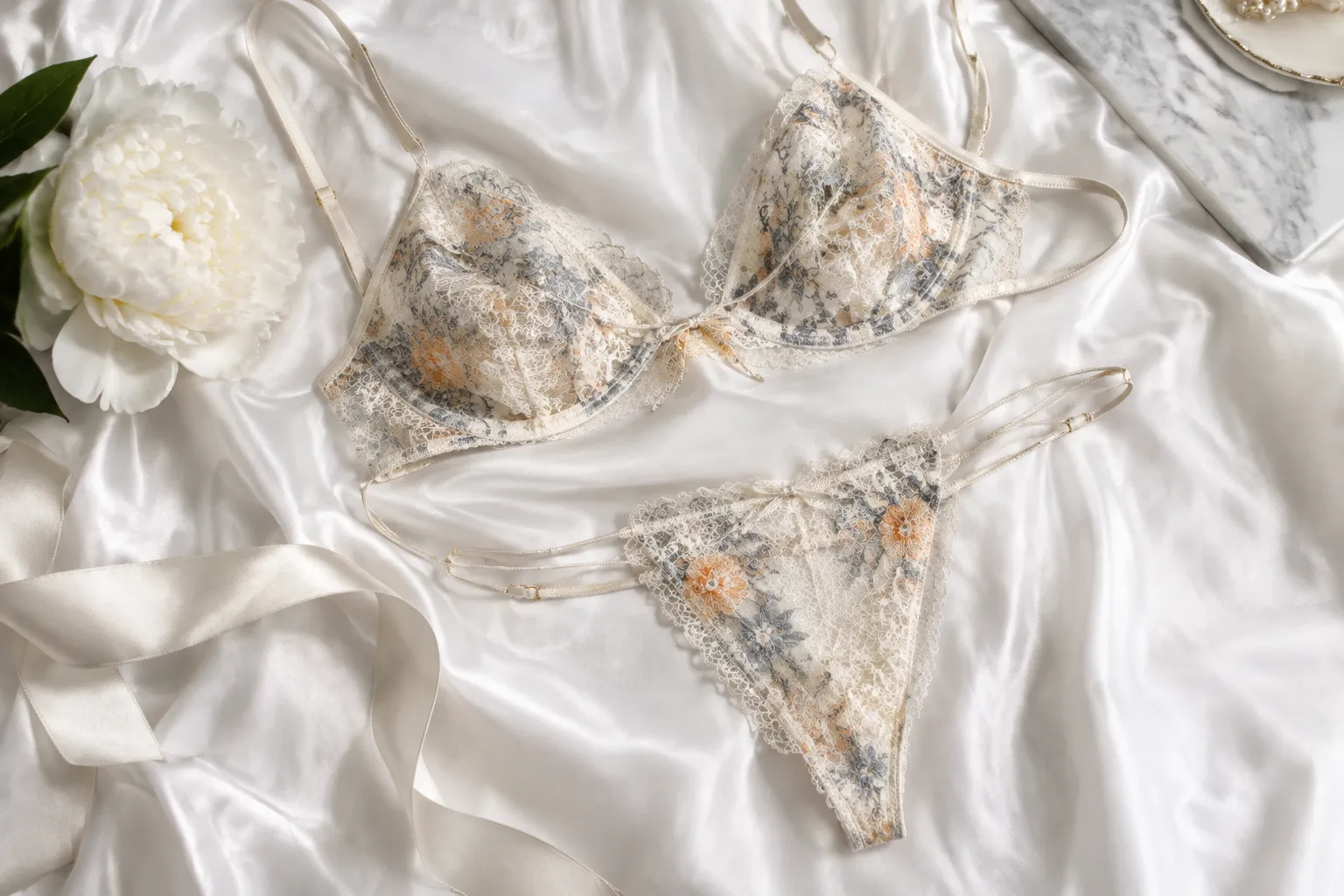
French retailers distinguish several commercial formats within this category. A classic string features a small front panel and that characteristic narrow back strip.
The micro-string reduces fabric further still, using minimal material at both front and rear, though this remains a style designation rather than a regulated technical standard. Retail terminology is not perfectly uniform across France, so checking individual product descriptions ensures the coverage level matches your preference.
How G-Strings Differ From Similar Styles
The tanga offers visibly more rear coverage because its back panel is wider than a string's narrow cord. A Brazilian brief typically provides additional fabric again, covering more of the buttocks while maintaining a lower rise than a full brief.
Each step up in coverage reduces the invisible-line advantage beneath very fitted garments, so the choice depends on the clothing you plan to wear and your comfort with minimal rear fabric.
Why Coverage Changes the Way Lingerie Looks Under Clothes
The narrow rear strip of a string creates less fabric at the points where conventional briefs form visible lines beneath close-fitting garments. When you wear fitted trousers, dresses, leggings, or other body-skimming pieces, the edges of ordinary underwear often show through the outer fabric.
A string reduces this visible line because the cord or narrow band between the buttocks eliminates the elastic edge that marks the transition between brief and skin.
French retailers position strings and tangas specifically for this reason: the minimal rear construction is less visible than the wider waistband and leg openings of a full brief. However, less fabric does not automatically mean greater comfort.
The decision to choose a string over a tanga or conventional brief depends on how much rear coverage you find comfortable and how closely your outer garment fits.
The Seamless Effect Beneath Close-Fitting Pieces
Polyamide, microfiber, and seamless construction further reduce visible lines because these materials stretch smoothly and eliminate stitched seams that might show through fabric. A string made from these materials pairs minimal rear coverage with a front panel designed to lie flat.
The result is fewer points where underwear edges interrupt the silhouette of your clothing.
For slightly sheer garments, color and opacity matter as much as coverage. A flesh-toned or garment-matched string reduces contrast, but the outer garment's construction and fit also determine whether underwear shows through.
If the outer fabric is thin or the fit is extremely close, even minimal underwear may remain visible.
When More Coverage May Feel More Practical
A tanga offers a wider rear panel than a string while still reducing visible lines compared with a full brief. This makes it a useful middle option when you want some of the invisibility benefit without the minimal rear coverage of a string.
The wider panel provides more fabric contact with your skin, which some women find more secure for daily wear or with outer garments that are fitted but not extremely tight.
The best choice depends on the specific outer garment, your tolerance for minimal coverage, and how you balance appearance and comfort. No single style eliminates visible lines under every garment or suits every preference.
How to Choose a Pair That Feels Luxurious, Not Restrictive
A truly comfortable string begins with accurate sizing rather than assumptions based on your usual clothing size. Measure your hip circumference at its widest point and consult the brand's specific size guide, because cut and elasticity vary between manufacturers.
The waistband should rest securely against your skin without digging in, while the narrow rear strip should remain in place without creating excessive tension or riding up during movement.
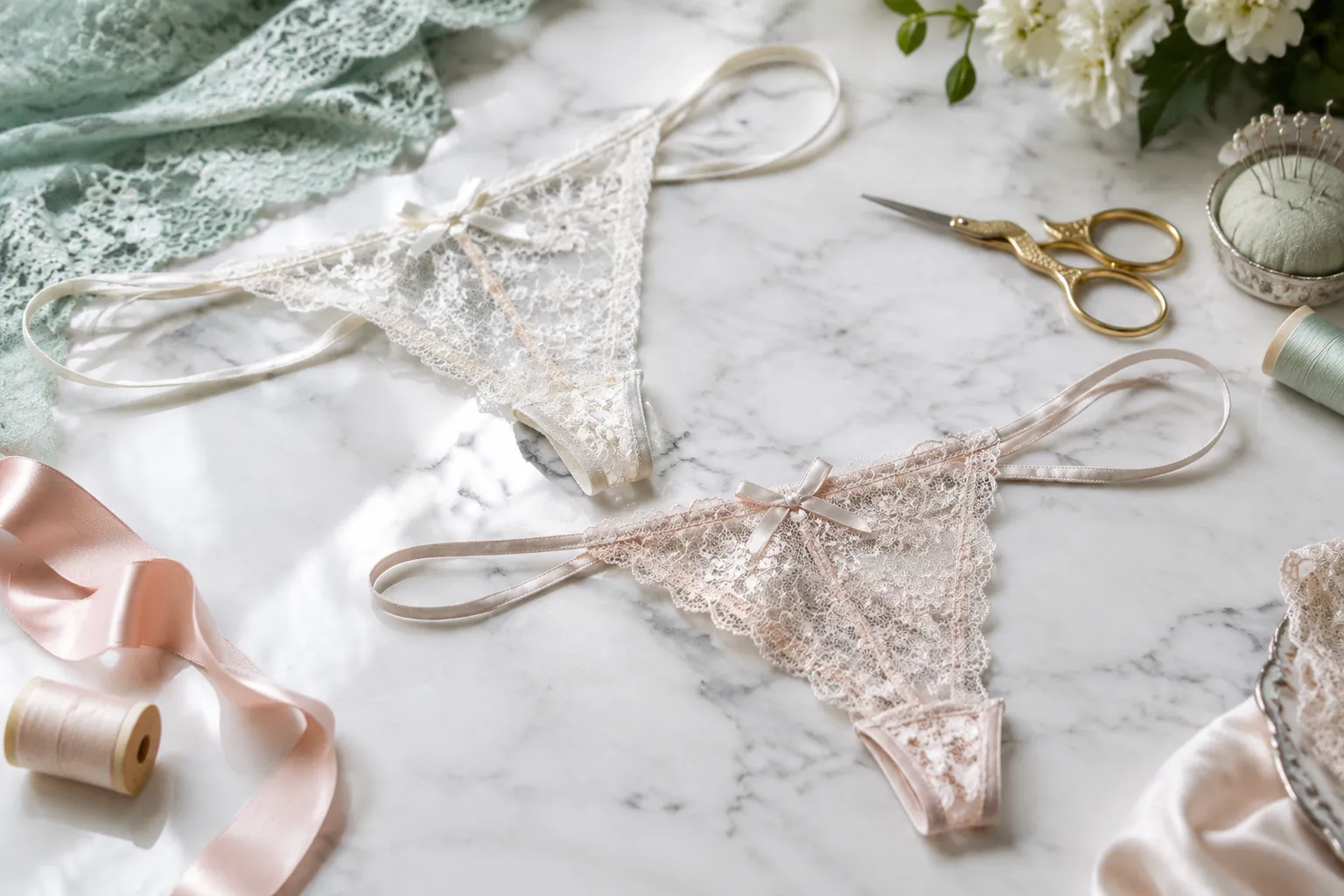
Finding the Right Size and Front Fit
Front coverage directly affects how a string feels throughout the day. A micro-string uses minimal fabric at both the front and rear, which suits very lightweight outfits but may feel too exposed for extended wear if you prefer more support.
A classic string retains a small front panel that offers slightly more coverage without compromising the invisible-line advantage beneath fitted clothing. Check how the pouch shape aligns with your body: a front panel that pulls or gaps signals the wrong size or cut for your proportions.
Matching Fabric to Skin Feel and Occasion
Material choice determines both tactile comfort and durability. Lace and embroidered tulle create a visually refined finish and work well for special occasions, though they require more delicate handling during laundering.
Silk offers a smooth, luxurious feel against the skin and drapes elegantly, making it a premium option for those who prioritize softness. Cotton and microfiber provide practical alternatives for daily wear because they tolerate frequent washing and tend to feel less delicate against sensitive skin.
Lola Luna Lingerie produces handcrafted strings using Calais lace and silk in its French workshop near Avignon. The brand's lace and embroidered tulle thongs range from €42 to €59, while silk and tulle micro-thongs are priced between €42 and €45.
These pieces exemplify the French approach to luxury lingerie construction, where noble materials and workshop craftsmanship combine to create refined designs.
Select your fabric based on your skin sensitivity, the outfit you plan to wear, and your willingness to follow specific care instructions. A lace string demands gentle washing to preserve its structure, whereas a microfiber option tolerates machine cycles with minimal degradation.
Comfort ultimately depends on matching the garment's construction and material properties to your personal tolerance and daily routine.
How to Style a G-String With Sophisticated Lingerie Choices
A string can feel elegant rather than purely functional when you choose materials, colors, and textures that align with your wardrobe. Calais lace, silk, and embroidered tulle transform minimal coverage into a deliberate aesthetic choice.
The visible texture of lace edges, the matte finish of silk, and the transparency of tulle each create a different effect beneath your clothing and against your skin.
Building a Refined Look From Color and Texture
Neutral tones (such as ivory, blush, and black) integrate easily with most outer garments, while saturated colors or contrasting patterns may complement specific pieces in your wardrobe. When you pair a string with a matching lace or silk bralette, the unified texture and color create a coordinated look.
Lola Luna Lingerie offers lace and silk lingerie sets priced at €98-€110, handcrafted in France using Calais lace and silk. These materials provide both visual refinement and durability.
The choice between smooth silk and textured lace depends on whether you prioritize a seamless appearance under fitted clothing or prefer the decorative detail of lace edges. Embroidery adds visual interest without additional bulk, making it suitable for women in G-strings who want ornament without visible lines.
Choosing Between Minimal and More Covered Silhouettes
A tanga offers more rear coverage than a string while still reducing visible panty lines. This intermediate silhouette suits occasions when you want some invisibility benefit but prefer more fabric contact.
The wider rear panel of a tanga provides a softer transition for women who find a string too minimal for daily wear or prefer greater coverage under moderately fitted garments.
When presenting lingerie as a gift, luxury packaging with a signature box frames the piece as a considered choice rather than a functional item. The presentation reinforces the quality of the materials and the care taken in construction.
The Care Decisions That Preserve Delicate Lingerie
The care label on each piece provides the most reliable washing instructions because fiber composition and construction vary. Lace, silk, and embroidered tulle respond differently to water temperature, detergent chemistry, and mechanical action.
Check the label before washing to confirm whether the garment requires hand washing or a delicate machine cycle.
Washing Lace, Silk, and Fine Tulle Carefully
Hand washing in cool water protects narrow straps and delicate lace from the friction that occurs in a washing machine drum. Use a mild detergent and avoid twisting or wringing the fabric, as these actions can distort the weave or stretch elastic fibers.
If machine washing is permitted, place the piece in a mesh laundry bag and select a gentle cycle. High heat can weaken elastic and cause silk to lose its lustre, so air drying is safer than tumble drying.
Separate delicate lingerie from garments with zips, hooks, or rough textures that can snag lace or tulle. These abrasive surfaces cause pulls that compromise both appearance and structural integrity.
Storing Minimal Pieces Without Losing Their Shape
Store strings and other minimal silhouettes flat or loosely folded rather than crushed at the bottom of a drawer. Stacking heavy items on top of lace can flatten embroidery and distort the construction.
Avoid hanging pieces by their straps unless the garment is designed for it, as extended suspension can stretch narrow bands.
Careful maintenance preserves the fit and appearance of luxury lingerie, extending the time each piece remains wearable.
Frequently Asked Questions About Ladies' G-Strings
Are G-strings comfortable for everyday wear?
Comfort varies with size, construction, fabric, body shape, garment fit, and personal preference. Minimal coverage is not automatically comfortable for everyone.
A correctly fitted G-string should feel secure without painful digging, slipping, or excessive pressure at the waistband or back strip.
Start with one piece in a familiar fabric rather than committing to an entire wardrobe shift.
What is the difference between a G-string, a thong, and a tanga?
A G-string offers the most minimal rear coverage, usually with a narrow strip, cord, or small triangular section of fabric. A tanga is more revealing than a conventional brief but generally wider and more covering at the back than a G-string.
The term "thong" is often used interchangeably with G-string in English-speaking markets, though some retailers reserve "thong" for slightly wider back coverage. Product terminology is not perfectly standardized, so inspect the actual product description and construction rather than relying on the label alone.
Do G-strings prevent visible panty lines under fitted clothing?
G-strings can reduce visible lines compared with a conventional brief, but outer-fabric thickness, color, seams, and garment tension still matter. French retailers specifically position G-strings and tangas for fitted trousers, dresses, leggings, and other body-skimming garments.
However, a very thin or sheer outer layer may still reveal seams or fabric edges, and tight waistbands can create their own impression through clothing. Check the garment construction and outer fabric before assuming complete invisibility.
How should I choose the right G-string size?
Measure your waist and hips according to the brand's size chart, then cross-reference both measurements rather than relying on a single number. A G-string that fits correctly should sit flat against the skin without rolling, digging, or leaving red marks after removal.
If you fall between two sizes, consider the fabric's stretch and whether the waistband is elasticated or adjustable. Read the product description for any guidance on whether the piece runs small, true to size, or generous.
Which fabrics are best for luxury lingerie?
The best fabric depends on your desired feel, styling, and maintenance preferences. Calais lace and embroidered tulle offer elegance and breathability, though they may require hand washing.
Silk provides a smooth, luxurious feel but needs careful handling. Microfibre and cotton blends are easier to care for and suitable for regular wear.
Choose based on the occasion, how often you plan to wear the piece, and whether you are prepared to follow specific care instructions.
How should lace, silk, and tulle G-strings be cared for?
Check the care label before washing any luxury lingerie. Lace, silk, and tulle generally require hand washing in cool water with a mild detergent, followed by air drying flat or on a line away from direct heat.
Avoid wringing, twisting, or tumble-drying, as these actions can damage delicate fibres and distort the shape. If machine washing is permitted, use a mesh laundry bag and the gentlest cycle available.
Store pieces flat or folded rather than hanging to prevent stretching.
Is a micro-string different from a regular G-string?
A micro-string is an especially minimal version, with very little fabric at the front and back. The term is primarily a commercial and style designation rather than a universal technical standard.
Expect even less coverage than a standard G-string, though the exact construction varies by brand. If you prefer slightly more fabric, a regular G-string or tanga will be more appropriate.
Is lace suitable for everyday use?
Lace can be worn daily, but suitability depends on its construction, lining where applicable, personal sensitivity, and the care label. Some lace G-strings include a cotton gusset or partial lining for comfort, while others are entirely unlined.
If you have sensitive skin, check the fabric composition and seam placement. Lace requires more careful washing and handling than microfibre or cotton, so consider whether you are prepared to maintain the piece properly.
Is a tanga a reasonable alternative to a G-string?
A tanga offers a middle ground when you want less coverage than a brief but more fabric than a G-string. It typically provides wider rear coverage, which can feel more secure and comfortable for extended wear.
However, the increased fabric may create slightly more visible lines under very tight clothing. Choose a tanga when you prefer the aesthetic of reduced coverage without committing to the minimal back strip of a G-string.
Do body-shape claims about G-strings hold true?
One French retailer suggests that G-strings may visually lengthen the legs of shorter women, but this is merchandising advice rather than an established anatomical finding. Personal proportion, outer-garment cut, and overall styling play a larger role in silhouette than underwear choice alone.
Select lingerie based on fit, comfort, and the specific garments you plan to wear over it, rather than relying on broad body-shape generalizations.
Finding the Balance Between Minimal Design and Personal Comfort
A G-string offers an effective solution to visible underwear lines beneath fitted clothing, but comfort depends on accurate sizing, appropriate fabric choice, and realistic expectations about how minimal coverage feels throughout the day. The narrow rear strip eliminates the elastic edges that mark conventional briefs, while materials such as Calais lace and silk add refinement to an otherwise functional garment.
When you match the coverage level to your wardrobe needs and select pieces that fit your proportions correctly, a string becomes a practical addition rather than a compromise.
Lola Luna Lingerie handcrafts lace and silk G-strings in France, with prices ranging from €42 to €59 for individual pieces and €98 to €110 for coordinated sets. Each garment uses premium materials and arrives in signature luxury packaging, combining the invisible-line advantage of minimal construction with the durability and texture of traditional French craftsmanship.

