


The Rise of the Ethical Luxury Intimates Manufacturer and What It Really Means for Conscious
Publié par LOLA LUNA'S TEAM le

An ethical luxury intimates manufacturer combines traceable materials, fair labor, and low-impact production, without compromising on craftsmanship or sensory quality.
- True ethical luxury requires full supply chain transparency, from raw fiber to finished garment
- Look beyond certifications: ask how workers are paid, not just which labels the brand displays
- The manufacturer's practices define the product's worth, not the price tag alone
Most luxury lingerie brands sell the dream. Only a handful can account for every hand that touched the fabric before it reached yours.
Demand for conscious intimates has shifted from niche preference to genuine market pressure, and the question is no longer whether a brand claims to care, but whether the ethical luxury intimates manufacturer behind the label can actually prove it.
For women who invest in quality and exclusivity, the stakes are higher than aesthetics. A beautifully crafted piece loses its meaning when the supply chain behind it remains opaque, the dyes untested, or the seamstresses underpaid.
What separates genuine ethical production from polished greenwashing is harder to spot than a certification badge, and that gap is exactly what this article cuts through.
How to Identify a Genuine Ethical Luxury Intimates Manufacturer
Most "sustainable lingerie" labels are marketing. No third-party audit, no traceable supply chain, no verifiable claim.
This guide presents a hand-pick framework for evaluating ethical luxury intimates manufacturers, anchored in five criteria that separate genuine craft accountability from greenwashed packaging.
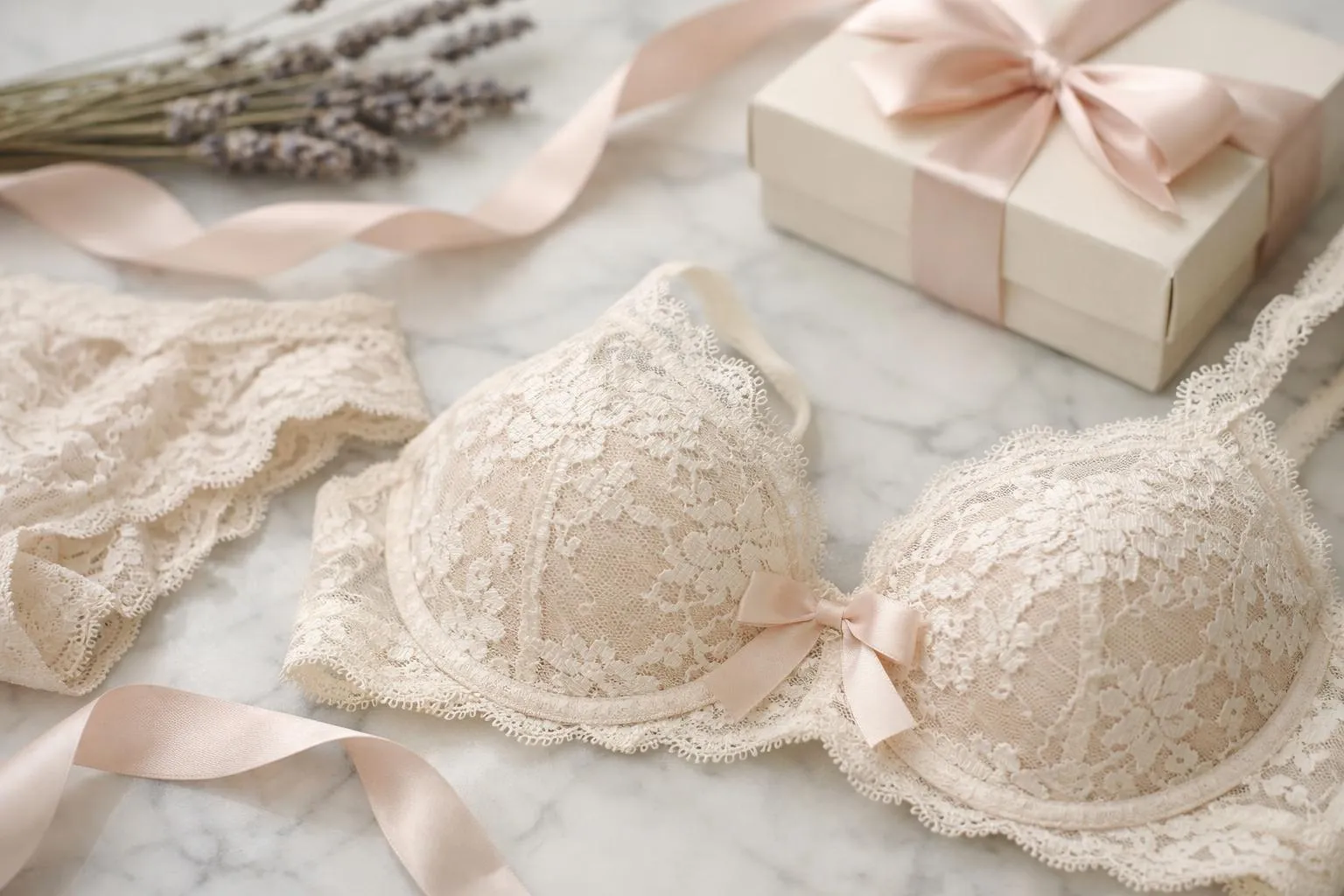
The 5 Criteria That Separate Real Ethics from Marketing Spin
- Material origin: Noble fibers like Calais lace (100% cotton, sourced from France's Calais region) and GOTS-certified organic silk confirm traceable, low-impact sourcing.
- Labor certifications: Fair Trade and SA8000 certifications independently verify fair wages and safe working conditions, going well beyond brand self-declaration.
- Production location: Atelier-based manufacturing in France or Portugal, under strong labor law, reduces both carbon footprint and exploitation risk.
- Environmental footprint: Look for OEKO-TEX STANDARD 100 certification, which tests finished garments for harmful substances including PFAS.
- Packaging transparency: FSC-certified paper, 100% recyclable mailers, and recycled packing slips are now standard among credible producers.
Why Country of Manufacture Still Matters in 2026
European production carries a 40 to 50% lower carbon footprint compared to global manufacturing, according to data cited by Lioa Lingerie. Lola Luna Lingerie, handcrafted since 1975 near Avignon, show this model: each piece produced in a local French atelier using Calais lace and silk, with no offshore compromise.
According to Good On You, many French brands had adopted measurable sustainability practices by 2025. That figure matters, because vague "eco-conscious" claims without third-party certification like OEKO-TEX or GOTS remain unverifiable.
Provenance, when backed by craft tradition and transparent sourcing, is still the most reliable signal of a genuine ethical luxury intimates manufacturer.
Noble Materials That Define True Ethical Luxury Intimates
Not all luxury lingerie is created equal, and the difference lives entirely in the fiber. This guide presents a curated selection of noble materials used by genuine ethical luxury intimates manufacturers, with specific data on sourcing, certification, and environmental impact, so you can evaluate brands with precision rather than marketing promises.
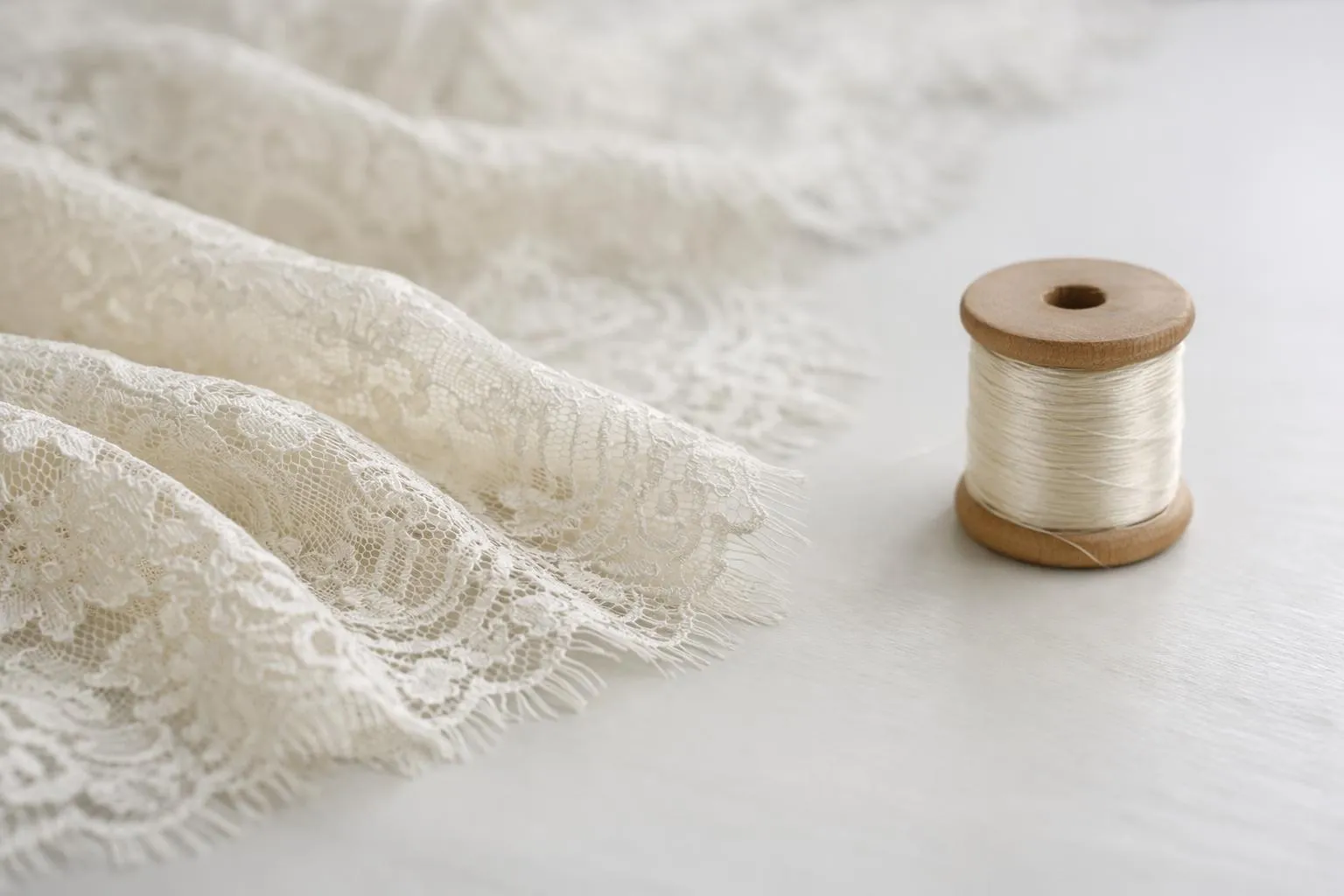
Calais Lace, Organic Silk, and the GOTS Standard Explained
Calais lace is 100% cotton, woven exclusively in France's Calais region, and carries protected heritage status, making it both a quality marker and an ethical one. Its natural composition means zero synthetic microplastic shedding with every wash, a consequence most consumers overlook entirely.
Lola Luna Lingerie's lingeries are built on exactly this material, handcrafted near Avignon since 1975.
GOTS, the Global Organic Textile Standard, certifies organic silk across both environmental and social dimensions simultaneously. That dual scope matters because it prohibits harmful processing chemicals while mandating fair labor conditions throughout the supply chain.
In practice, GOTS certification is the single most rigorous proof a brand can offer that its silk is genuinely responsible, not merely marketed as such.
Why Synthetic Microplastics Are the Hidden Enemy of Sustainable Intimates
Synthetic fabrics shed microplastics with every single wash cycle, entering waterways invisibly and accumulating in marine ecosystems. The shift toward natural fibers in ethical sous-vêtement femmes is therefore both an ethical and ecological imperative, not a trend.
Wood pulp and pine tree fibers require less than 50% of the water conventional cotton demands, and a closed-loop production process recovers 99% of solvent, setting the current materials benchmark at 70% organic cotton blended with 30% upcycled cotton.
- Calais lace: 100% cotton, French heritage textile, zero synthetic content
- GOTS-certified organic silk: Environmental and social compliance across the full supply chain
- Wood pulp fibers: Under 50% water use versus conventional cotton
- Closed-loop blends: 99% solvent recovery in the 70/30 organic and upcycled cotton process
The real impact of choosing noble materials is cumulative. Each piece made from certified natural fibers represents a deliberate refusal of the synthetic shortcut, and that refusal, multiplied across an entire collection, defines what separates a true ethical luxury intimates manufacturer from a brand that simply uses the language.
7 Certifications That Prove an Intimates Manufacturer Takes Ethics Seriously
A majority of luxury lingerie consumers now actively seek sustainability credentials before purchasing, according to Vogue. Yet certifications vary wildly in what they actually demand.
When vetting any ethical luxury intimates manufacturer, these seven labels separate genuine commitment from marketing language.

What Each Label Actually Guarantees
- OEKO-TEX STANDARD 100: Tests every component for harmful substances, including PFAS. For skin-contact intimate garments, a 100/100 rating confirms zero harmful dyes, the mechanism being that each thread, dye, and trim is individually assessed, not just the finished piece.
- GOTS (Global Organic Textile Standard): Certifies organic silk and cotton across the entire supply chain, prohibiting PFAS and mandating eco-friendly processing at every stage.
- Fair Trade: Expert-recommended proof that a brand goes above and beyond for worker well-being, covering wages, hours, and safe conditions.
- SA8000: The most rigorous labor standard available, independently audited. Brands holding both Fair Trade and SA8000 have genuinely earned their ethical positioning.
- FSC Certification: Applies to packaging, confirming paper and card come from responsibly managed forests. In practice, this means every box, packing slip, and mailer carries a verified origin.
- B Corp: Assesses the entire business model, from production to governance, not just materials.
- Carbon Neutral Certification: Confirms 100% of production emissions are offset. Some manufacturers achieve this specifically for underwear lines, as show by Toru & Naoko.
Carbon Neutrality and Recyclable Packaging as the New Luxury Standard
Recyclable mailers and FSC-certified paper are now standard among leading ethical producers, extending responsibility beyond the garment itself to the full unboxing experience. Think of FSC packaging as the equivalent of the garment's OEKO-TEX rating: a verifiable chain of custody, not a brand promise.
Lola Luna Lingerie's signature luxury box reflects this same attention to the complete customer experience, where every detail carries weight. For those exploring lingerie united kingdom markets, these certifications increasingly determine which French brands earn international trust.
Lola Luna Lingerie tip: When gifting, look for the combination of FSC-certified packaging and OEKO-TEX-rated fabrics together. A lace and silk set priced between €98 and €110 carrying both marks represents a verifiably responsible luxury choice, not simply an aesthetic one.
Browse our best lingerie for my wife guide for curated recommendations that meet this standard.
What Other Lingerie Brands Won't Tell You About Ethical Manufacturing
Most brands launching a "sustainable collection" are not transforming their supply chain. They are ring-fencing a small capsule of organic pieces while keeping the vast majority of production entirely unchanged.
A genuine ethical luxury intimates manufacturer operates differently: ethics must run through every stitch, every supplier relationship, every shipping decision, not just the pieces photographed for the press release.
The Greenwashing Tactics Hidden in Plain Sight
The most common tactic is the selective label. A brand announces "Made in Europe", technically accurate, yet the dyeing and finishing stages are quietly subcontracted offshore, where audit trails are thin and labor standards vary considerably.
According to Good On You, many French brands have adopted some sustainability practices, but adopting a practice and restructuring an entire supply chain are two very different commitments. Ask specifically: where is each production stage completed?
If the answer is vague, treat it as a warning.
Price transparency is the honesty signal most consumers overlook. When lace and silk thongs are priced at €42 to €59, as with Lola Luna Lingerie's handcrafted range, that figure reflects genuine material costs, skilled artisan labor, and small-batch production near Avignon.
Artificially low prices for "luxury" pieces almost always indicate corners cut somewhere in the chain, whether in fiber sourcing, worker compensation, or finishing quality. For women who also want guidance on fit and style alongside ethics, our resource on size 14 lingerie addresses both dimensions directly.
Why Handcrafted French Atelier Production Is Still the Gold Standard
Scale is the enemy of genuine handcrafted quality. A workshop producing small batches, as Lola Luna Lingerie has done since 1975 in Provence, cannot simply expand output without introducing machinery and compromising the artisan integrity that defines the work.
This constraint is not a weakness; it is the mechanism that keeps quality honest. Noble materials like Calais lace, sourced from France's own textile region, require hands that know their behavior.
No algorithm replicates that.
- Single eco-collections without full supply chain reform are a structural greenwash
- "Made in Europe" does not guarantee every production stage meets ethical standards
- Small-batch atelier production is inherently harder to corrupt with shortcuts
- Fair pricing, reflecting real labor and material costs, is among the clearest signals of genuine ethics
The uncomfortable truth is that authentic ethical luxury intimates manufacturing is slow, local, and expensive to do correctly. Brands unwilling to state exactly where each stage of production happens, and why their prices reflect those choices, are selling an image rather than a commitment.
Why Lola Luna Lingerie Sets the Benchmark as an Ethical Luxury Intimates Manufacturer
Four criteria define a genuine ethical luxury intimates manufacturer: traceable noble materials, local artisan production, honest pricing, and packaging integrity. Lola Luna Lingerie meets each one, not as a recent marketing pivot, but as a practice sustained since 1975 in its Avignon atelier.
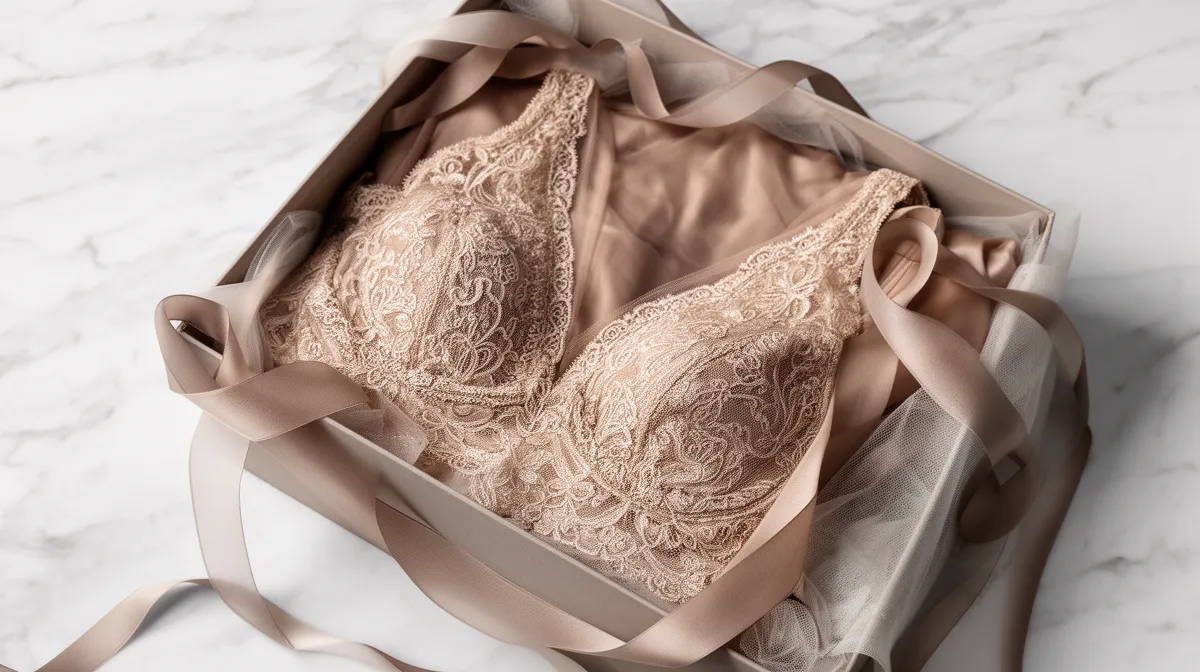
From Calais Lace to Signature Box, a Full Supply Chain Transparency Walk-Through
Every piece begins with Calais lace, sourced directly from France's northern textile region, paired with silk meeting GOTS environmental and social standards. Each garment is then handcrafted individually in Provence.
The signature luxury box closes the chain: presentation designed without environmental compromise, extending ethical thinking beyond the fabric itself.
How Sophisticated Women Choose Quality Over Fast Fashion Intimates
According to a Vogue survey, many luxury lingerie consumers aged 25 to 45 now prioritise ethical production. Lola Luna Lingerie's pricing reflects honest cost-of-craft economics: lace and embroidered tulle thongs from €42, lingerie sets reaching €110.
These figures represent slow, intentional production, not fast fashion margins. Explore the full collection directly through the brand's boutique or online.
Frequently Asked Questions
What makes a lingerie manufacturer truly 'ethical' versus just sustainable?
Sustainability covers environmental impact, while ethics goes further, encompassing fair wages, safe working conditions, transparent supply chains, and the preservation of traditional craft skills.
A truly ethical manufacturer can tell you exactly where each material originates and who made it. At LolaLuna Lingerie, handcrafting each piece in our Avignon workshop since 1975 means accountability is woven into every seam, not added as an afterthought.
Is Calais lace considered an ethical material for luxury intimates?
Yes, and it's one of the most traceable luxury textiles available. Calais lace is produced in northern France under strict French labour law, with artisan traditions protected by a UNESCO-recognised intangible cultural heritage designation.
Sourcing Calais lace means supporting a tightly regulated, geographically anchored craft community rather than an opaque global supply chain. For discerning buyers, that provenance is not a marketing claim, it is a verifiable fact.
What certifications should I look for when buying luxury ethical intimates?
The short answer: look beyond the logo. OEKO-TEX Standard 100 confirms fabrics are free from harmful substances.
The OEKO-TEX certification is independently audited and widely respected across the European textile industry.
For French-made pieces specifically, the "Entreprise du Patrimoine Vivant" label signals genuine artisanal excellence recognised by the French state. No single certification covers everything, so treat them as supporting evidence rather than the whole story.
Why does production location matter for ethical luxury intimates?
Where a piece is made determines which labour protections apply. French workshops operate under some of the most rigorous employment legislation in the world, including mandatory minimum wages, regulated working hours, and enforceable health and safety standards.
I've seen brands market "European craftsmanship" while outsourcing finishing work to regions with far weaker protections. The distinction matters.
A brand that manufactures entirely within France, as LolaLuna Lingerie does near Avignon, carries a level of accountability that offshore production simply cannot replicate.
How can I tell if a luxury lingerie brand is greenwashing its ethics claims?
Three questions cut through most greenwashing immediately. First: can the brand name the specific workshop or region where pieces are made?
Second: are material origins documented, not just described? Third: does the brand's price point actually support the cost of ethical production?
Vague language such as "responsibly sourced" or "eco-conscious" without supporting detail is a reliable warning sign. Genuine transparency looks different, it names places, names materials, and stands behind decades of consistent practice rather than a recent rebranding exercise.
Why the Ethical Luxury Intimates Manufacturer Question Has Only One Honest Answer
Certifications can be faked, marketing language can be polished to a mirror shine, but handcraft heritage rooted in a single workshop near Avignon since 1975 is simply not something a brand invents overnight.
The five criteria explored throughout this article, material transparency, verified certifications, traceable sourcing, artisanal production, and honest pricing, are not a checklist to skim. They are the minimum standard any genuine ethical luxury intimates manufacturer must meet without exception.
Calais lace, French silk, and a workshop where every stitch is placed by hand: these are not selling points. They are evidence.
Browse the Lola Luna Lingerie collection and judge each piece against those standards yourself, the materials, the provenance, and the craft are visible in every detail.
The Lola Luna Lingerie atelier is open to curious eyes. Explore the full collection on the official website and see what five decades of French handcraft heritage actually looks like on the body.
When ethics and elegance share the same seam, the choice becomes effortless.

