


Maillot de Bain Une Piece for Women, the Luxury Styles Worth Knowing in 2026
Publié par ROBOT-SPEED le

A one-piece swimsuit is a one-piece swimsuit: a single garment that covers the torso from shoulders to hips, as distinct from a two-piece bikini. The best choice depends on your intended use, such as sport swimming, beachwear, or silhouette shaping, as well as the cut, fabric, support structure, and fit.
In 2026, luxury one-piece styles favor asymmetric necklines, deep open backs, high-cut legs, and textured or sculpted fabrics that balance elegance with structural integrity. French retailers distinguish performance models, designed for chlorine resistance and secure hold during movement, from fashion-led pieces that prioritize line and drape.
Lola Luna Lingerie brings its couture approach to this category, where underwiring, boning, and precise tailoring deliver support without compromising the silhouette.
This article compares construction approaches, including bustier, backless, sculpting, and sport-oriented designs, to help you identify the features that matter for your wardrobe rather than ranking specific products. Fit remains the deciding factor: French guidance emphasizes checking each brand's size chart and considering bust length as well as cup size, since one-piece construction leaves little room for adjustment once worn.
What Makes a One-Piece Swimsuit More Than a Simple Cover-Up?
A one-piece swimsuit is defined by its construction, with a single garment joining the top and bottom, but that structure does not dictate coverage, support, or visual style. French retailers offer bustier, asymmetrical, backless, high-cut, sculpting, padded, underwired, long-sleeve, and postpartum models under the same category. This means the one-piece label covers many cuts rather than a single silhouette.
The defining criterion is construction as one piece; features such as neckline, straps, back shape, or intended use are common variants, not required elements.
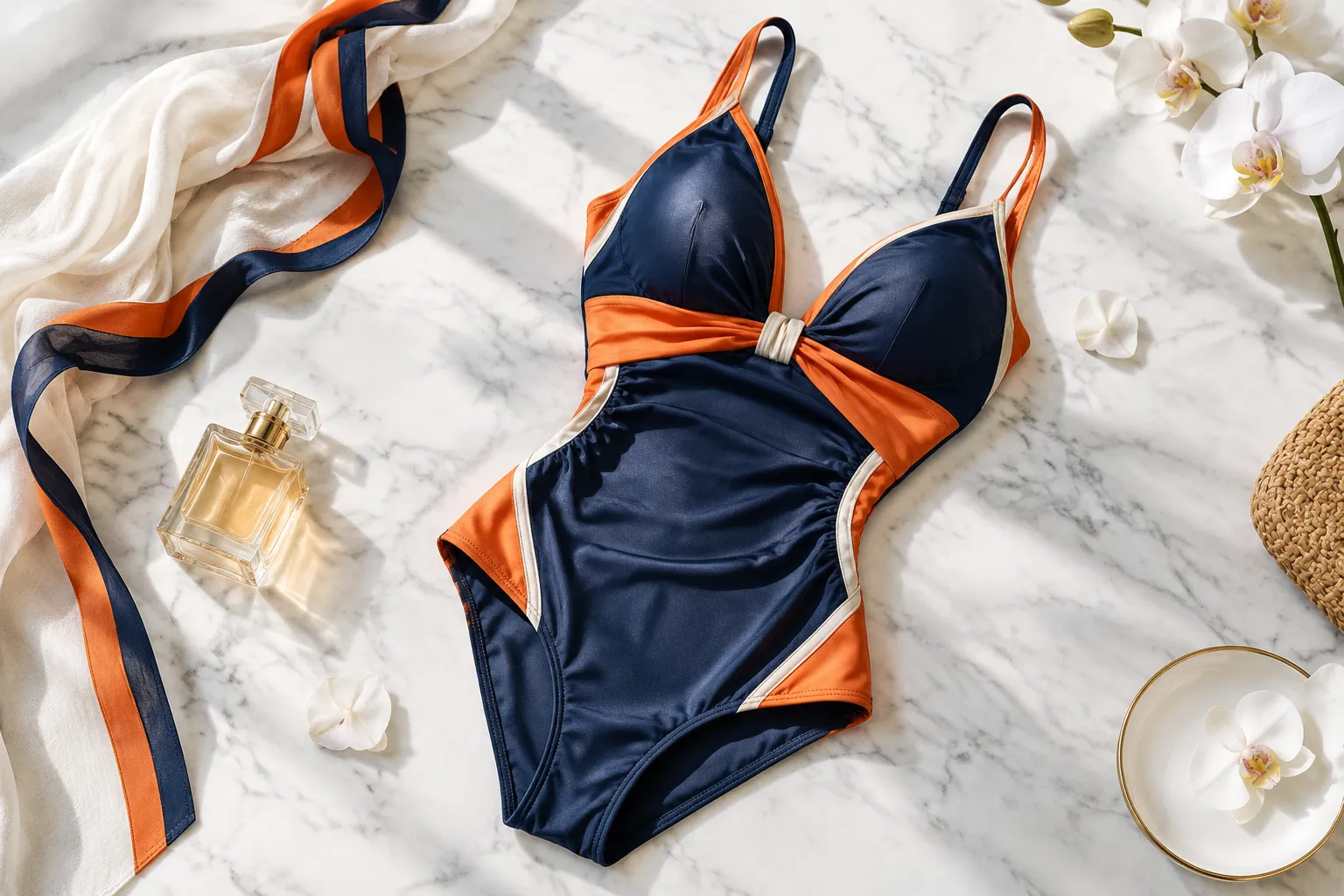
Fashion Swimwear: Style and Silhouette First
Fashion-oriented one-piece suits prioritize visual style and shape. French merchants offer open cutout designs, plunging necklines, and asymmetrical straps alongside more covered options, showing that the category accommodates many preferences.
These pieces suit beachwear and poolside settings where movement is gentle and aesthetics matter.
Performance Pieces: Fit Stability and Chlorine Resistance
Sport-oriented one-piece swimsuits emphasize fit stability during active swimming and water activities. French retail guidance distinguishes them by their focus on chlorine-resistant fabrics and construction that stays in place during movement, rather than styling alone.
The same product label can cover different intended uses, so check the fabric and support structure when choosing for sport swimming rather than leisure.
Which One-Piece Silhouette Creates the Right Impression?
French retailers present five principal silhouette families within the one-piece category, each offering a distinct visual effect. The selection below reflects the documented range of cuts available in France, chosen to clarify how neckline, strap placement, back coverage, and leg opening shape the overall impression.
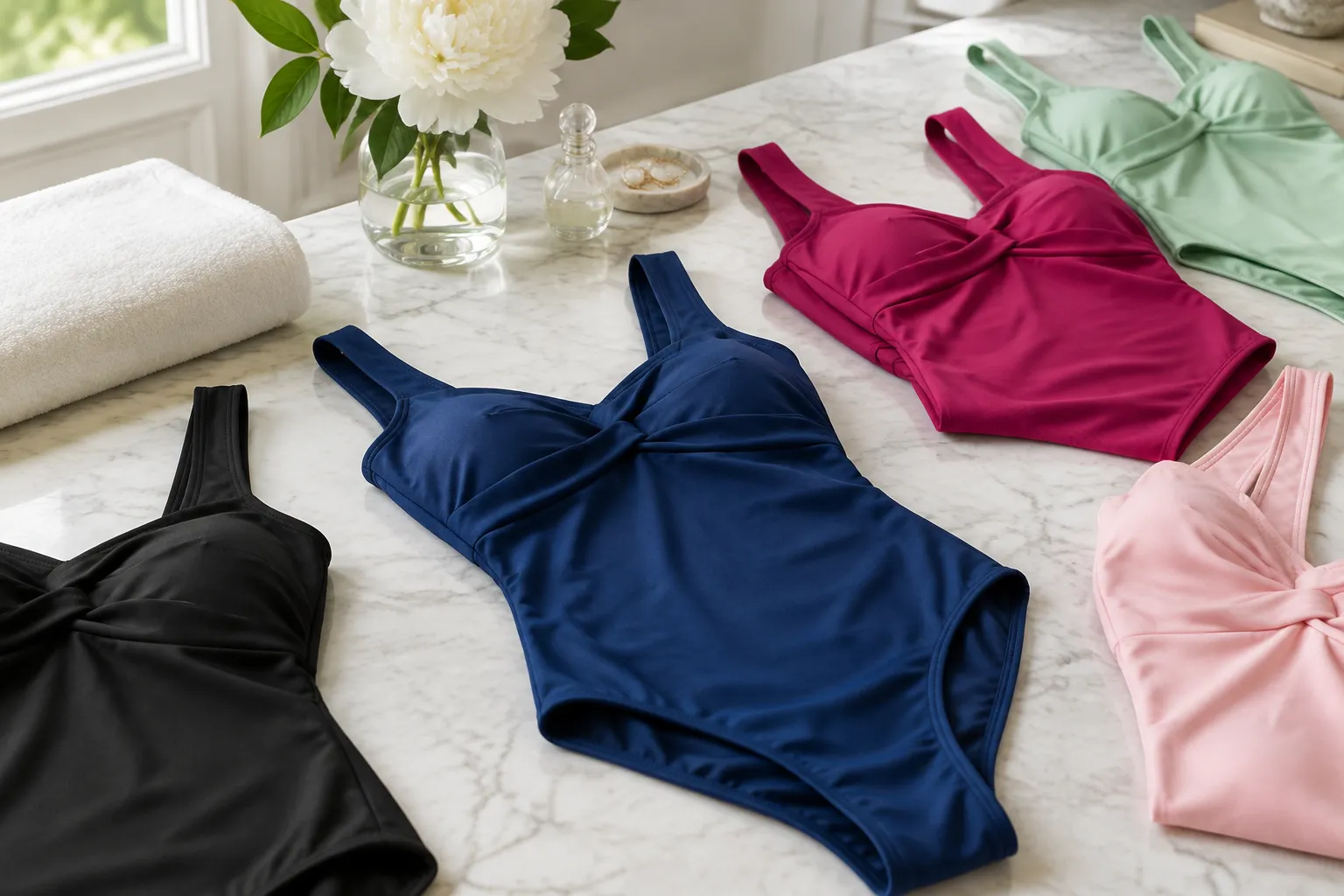
Plunging Neckline: Dramatic Vertical Line
A deep V-neck or triangle front draws the eye downward, creating visual length across the torso. French retail examples show this cut in both fashion-led beachwear and structured designs with molded cups.
The plunging line suits refined poolside settings and resort wear, though it provides less coverage than a scoop or high neck.
Asymmetrical Cut: Visual Interest Through Imbalance
Single-shoulder and diagonal-strap models introduce asymmetry, which breaks up a simple silhouette and adds design detail. French merchants list these among fashion swimwear rather than sport-oriented pieces, indicating that their primary role is aesthetic rather than providing secure support during movement.
Backless and Open-Back Design: Exposed Silhouette
Open-back styles range from low scoops to nearly bare designs held by slim straps or halter ties. These silhouettes suit gentle poolside use and beach lounging, as the reduced back coverage offers less support during active swimming.
Bustier and Structured Shape: Defined Top Line
Bandeau or bustier-inspired tops create horizontal emphasis and often include underwire or padding for structure. French retailers treat these as a separate styling choice within the one-piece family, suited to women seeking a more architectural appearance.
Sporty and High-Coverage Cut: Movement and Security
Higher necklines, wide straps, and full back coverage prioritize fit stability during active swimming. French guidance distinguishes these by their chlorine-resistant fabrics and construction that stays in place, making them the practical choice for sport use rather than purely decorative beachwear.
How Can You Choose a Flattering Fit Without Guesswork?
Choosing a one-piece swimsuit that suits your silhouette requires checking four practical elements: the suit's intended use, its support structure, whether shaping is desired, and how much movement the garment must withstand. A flattering appearance is not determined by fixed body-type rules; proportions, comfort, personal preference, and the garment's construction matter more than prescriptive labels.
French retail guidance confirms that body-shape recommendations are advisory rather than mandatory, and that torso length can matter as much as bust size for fit.
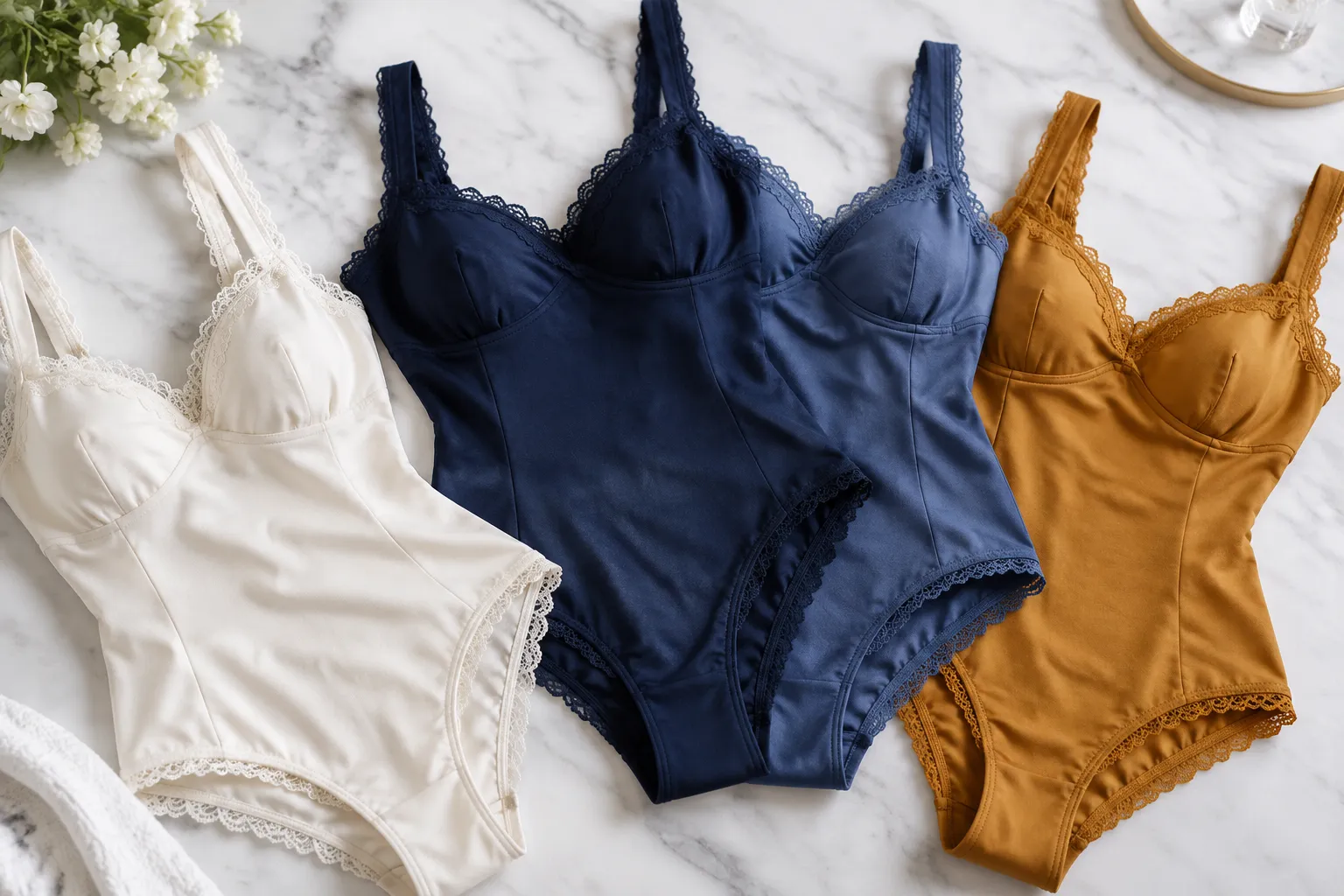
Match Support and Shaping to Your Priorities
If the goal is sport, pool use, or secure support, French retailers point to wide straps, adjustable features, or a more covering cut as the relevant choices. If the goal is fashion or body shaping, sculpting fabrics, high-leg cuts, bust support, or structured tops are commonly mentioned, rather than assuming all one-pieces do the same job.
Practical indicators include adjustable straps, secure bust construction, lined sections, stable leg openings, and a back design that stays in place. Shaping panels can create a smoother appearance but may feel restrictive if the size or fabric is wrong.
A swimmer prioritizing stability will look for different construction than a beachwear shopper prioritizing an open neckline, even though the same silhouette can serve both. French retail examples show strong variation in cut: classic scoop necks, plunging backs, bandeaus, asymmetrical designs, wide straps, and shaped openings.
Some French merchants distinguish non-échancré or shaping one-piece suits as separate subtypes, showing that silhouette and coverage are product conventions rather than universal rules of the category.
Treat Size Guides as Essential, Not Optional
French retailers note that sizing can vary by brand and that shoppers should rely on brand-specific size guides rather than assume a uniform fit across the market. Check torso length, bust and hip measurements, return conditions, and care instructions before ordering online.
Where possible, try on the suit; French sources stress that this remains the most reliable way to confirm fit. Consult the specific size guide rather than assume consistency across retailers, and verify that the garment's intended use matches your own priorities before purchase.
What Separates Luxury Swimwear From a Merely Attractive Design?
Luxury in a one-piece swimsuit is not determined by price alone. It reveals itself through material quality, construction precision, and the alignment of design with intended use.
Below are the elements that distinguish a genuinely considered piece from one that merely carries a premium label.
Noble Materials and Their Practical Limits
Luxury fabrics such as Calais lace, silk, and fine tulle offer exceptional texture and drape, but their suitability for swimwear depends on how the piece will be worn. Chlorine, salt water, and repeated exposure to the sun degrade delicate fibers faster than synthetic blends engineered for aquatic use.
A lace-trimmed one-piece intended for poolside elegance or occasional wear may justify its fragility; the same construction in a suit meant for regular swimming does not. Assess whether the material matches your expectations for durability before judging its value.
Finishing Details That Signal Craftsmanship
Examine the stitching, lining, and seam finishing. Hand-finished edges, concealed seams, and double-lined panels demonstrate attention to comfort and longevity.
French artisanal workshops, such as those producing Lola Luna Lingerie's handcrafted pieces near Avignon since 1975, apply lingerie-grade techniques to ensure garments feel refined against the skin. Signature packaging and considered presentation extend the luxury principle beyond the garment itself, though they do not establish performance in water.
Fit Consistency and Structural Support
Luxury swimwear should deliver a consistent fit across sizes, supported by internal shaping or boning when the design requires it.
A premium piece that shifts or gaps during wear fails its primary function, regardless of material quality.
The Value Test
A luxury one-piece earns its place when it delivers the intended combination of appearance, comfort, and use without compromise. Distinguish fashion-first designs, where aesthetic detail outweighs technical durability, from pieces engineered for regular swimming.
Both can represent quality; they simply serve different purposes.
Frequently Asked Questions
Is a one-piece swimsuit suitable for regular swimming?
A one-piece swimsuit is well suited for regular swimming because the upper and lower sections remain joined, keeping the garment stable during movement in the water. French retail guidance notes that one-piece designs are chosen specifically for swimming and water activities where coverage and stability matter.
The single-piece construction prevents shifting, allowing you to focus on your stroke rather than adjusting the fabric. If you swim laps or participate in aquatic exercise, check that the shoulder straps and torso fit securely without restricting your range of motion.
How should I choose the right level of bust support?
Bust support depends on your activity and comfort needs. For swimming or active water sports, look for styles with shaped cups, adjustable straps, or built-in shelf support that hold everything in place during motion.
If you prefer a relaxed poolside look, softer, unstructured bodices offer a natural silhouette. French retailers show a range of one-piece styles, including bustier cuts and shaped designs, which indicates that support levels vary widely.
Try the swimsuit on and move through a full range of motion, raising your arms, leaning forward, and twisting to confirm that the fit remains secure without pinching or gaping.
Can a one-piece swimsuit flatter different body shapes?
One-piece swimsuits come in many cuts, including asymmetrical, backless, sculpted, and sporty versions available through French retailers. This variety means you can select a silhouette that complements your proportions.
High-cut legs lengthen the line of the hip, while strategic seaming or paneling can define the waist. If you prefer more coverage around the midsection, a suit with a shaped bodice or vertical lines draws the eye upward.
Because the garment is a single piece, you control the overall visual balance rather than coordinating separate tops and bottoms. Focus on how the cut frames your torso and where seams or color blocks fall relative to your natural shape.
What is the difference between a one-piece swimsuit and a bikini?
A one-piece swimsuit joins the upper and lower sections into a single garment that covers the torso, whereas a bikini consists of two separate pieces, a top and a bottom. The joined construction of a one-piece provides more coverage and remains in place during swimming or active movement.
A bikini offers adjustable coverage since you can choose each piece independently, but the separate parts may shift during vigorous activity. French dictionaries explicitly include the one-piece form when defining swimwear, and retailers present both categories for different preferences.
Choose based on the level of coverage you want and the activity you plan: one-pieces for secure, continuous support and bikinis for adjustable, minimal coverage.
How should I care for a premium swimsuit after pool or beach use?
Rinse your swimsuit in cool, fresh water immediately after each use to remove chlorine, salt, sunscreen, and sand, which degrade fabric and elasticity over time. Gently squeeze out excess water without wringing or twisting the material.
Wash by hand with a mild detergent formulated for delicate fabrics, then lay the suit flat on a towel in the shade to dry. Avoid direct sunlight and heat sources, which weaken elastic fibers. Never machine-wash or tumble-dry a premium swimsuit, and store it only when completely dry to prevent mildew.
At Lola Luna Lingerie, each piece is handcrafted using noble materials such as Calais lace and silk, so careful handling preserves both the shape and the fine detail of your investment.
Finding the One-Piece That Reflects Your Own Taste
A one-piece swimsuit is a single-garment swimsuit joining the top and bottom, but that construction accommodates many cuts, from plunging necklines and open backs to structured sport styles. French retail confirms that the category includes fashion-led, shaping, and performance-oriented designs, so the label alone does not dictate coverage, support, or visual effect.
Choose based on intended use, the support structure you need, and whether the material suits your expectations for durability. When the garment aligns construction, fabric quality, and purpose, the result is a piece that works rather than one that merely carries a premium claim.

