


Luxurious Lace Fabrics for Lingerie Designs in 2026
Publié par LOLA LUNA'S TEAM le

Lingerie lace fabric comes in 5 distinct types, each with unique texture, stretch, and opacity that determine whether a design seduces or simply covers.
- 5 lace types covered: Chantilly, Guipure, stretch lace, embroidered tulle, and galloon lace
- Choose based on drape and skin visibility, not just aesthetic, structure follows function
- French craftsmanship traditions, as embodied by Lola Luna Lingerie, remain the benchmark for quality lace selection
Most women buying lingerie focus on the silhouette. The lace itself, its weight, its bite against skin, the way it catches light at 11pm, is the detail that separates a piece worn once from one kept for years.
However, Choosing the right lingerie lace fabric is less intuitive than it looks. Even seasoned designers misread how a lace behaves off the bolt versus against a body in motion, and that gap is where most pieces disappoint.
Rooted in French savoir-faire, Lola Luna Lingerie has built its identity around this precision: understanding that lace is not decoration but architecture.
The difference between a lingerie piece that feels like a second skin and one that simply looks the part comes down to knowing which of the five lace types to reach for, and exactly why.
How to Choose the Right Lingerie Lace Fabric, 5 Criteria That Actually Matter
Most guides focus on how lace looks. Therefore, The real selection decision happens at the material level, long before a single stitch.
For any lingerie lace fabric, five criteria determine whether a finished piece drapes beautifully on the body or fails at the seam. At Lola Luna Lingerie, each criterion informs every workshop decision, from thong to bikini set.
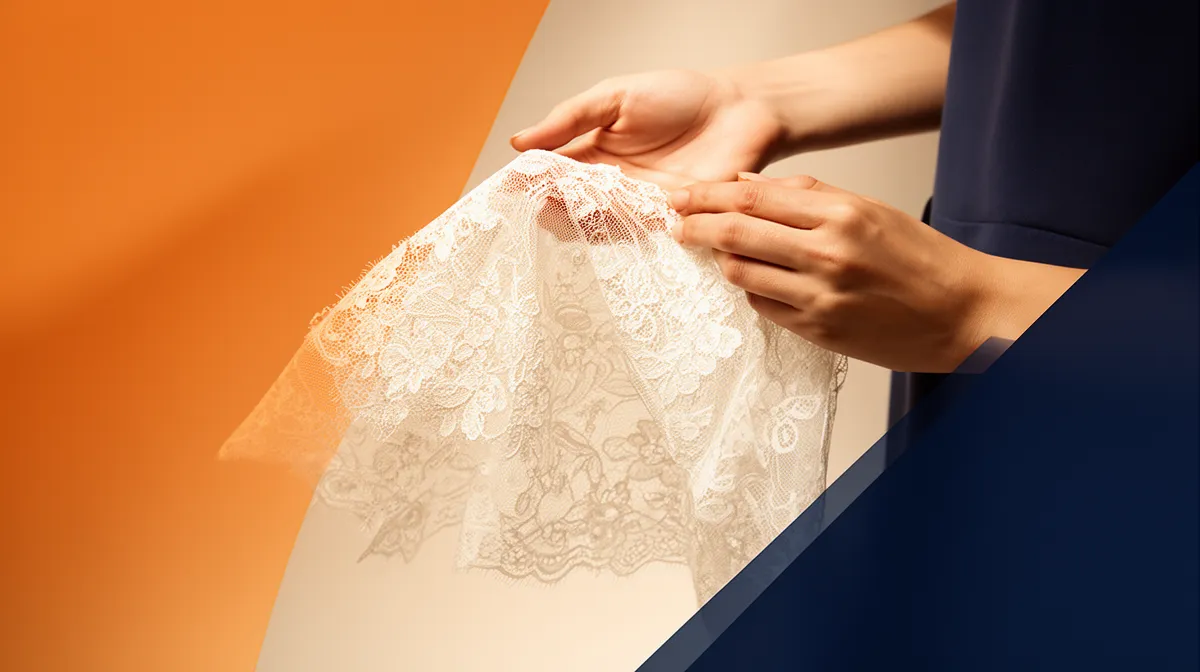
Elastane Content: the Number That Governs Fit
Because Fabric specialists confirm that ideal elastane content for lingerie ranges from 3% to 12%, depending on garment type. Critically, 3% is the legal minimum percentage required on fabric labels when elastane is present.
Below that threshold, a lace panel loses body conformity entirely. Although For fitted thongs and bralettes, targeting the upper range of that window delivers both comfort and silhouette.
Weight, Transparency, and Drape: the Luxury Trifecta
Lighter lace reads as more delicate and sensual on the body. Weight directly shapes transparency, which in turn defines the visual character of a finished piece.
Calais lace, used throughout the Lola Luna Lingerie workshop, sits at this intersection: fine enough to reveal, structured enough to hold its pattern with precision.
- Stretch compatibility: never pair fabrics with significantly different stretch values in the same garment
- Silk-lace pairing: silk adds drape and hand feel; lace contributes structure and visual interest
- Tulle integration: works best when weight and stretch values are closely matched to the lace panel
While The overlooked rule: mismatched stretch values between lace, silk, and tulle panels cause seam distortion under wear, a failure invisible at fitting but obvious within weeks. Choosing materials with similar stretch and weight is not a stylistic preference, it is a structural requirement.
Calais Lace, the Crown Jewel of French Lingerie Lace Fabric
Not all lace is created equal. Since Among the lingerie lace fabric options available to luxury houses, Calais lace, produced on historic Leavers looms in the Calais-Caudry region of northern France, occupies a category entirely its own.
Its fine, elaborate patterns emerge from a weaving process so complex that modern industrial machines cannot replicate the same depth of detail or hand feel. The result is a textile that whispers heritage with every thread.
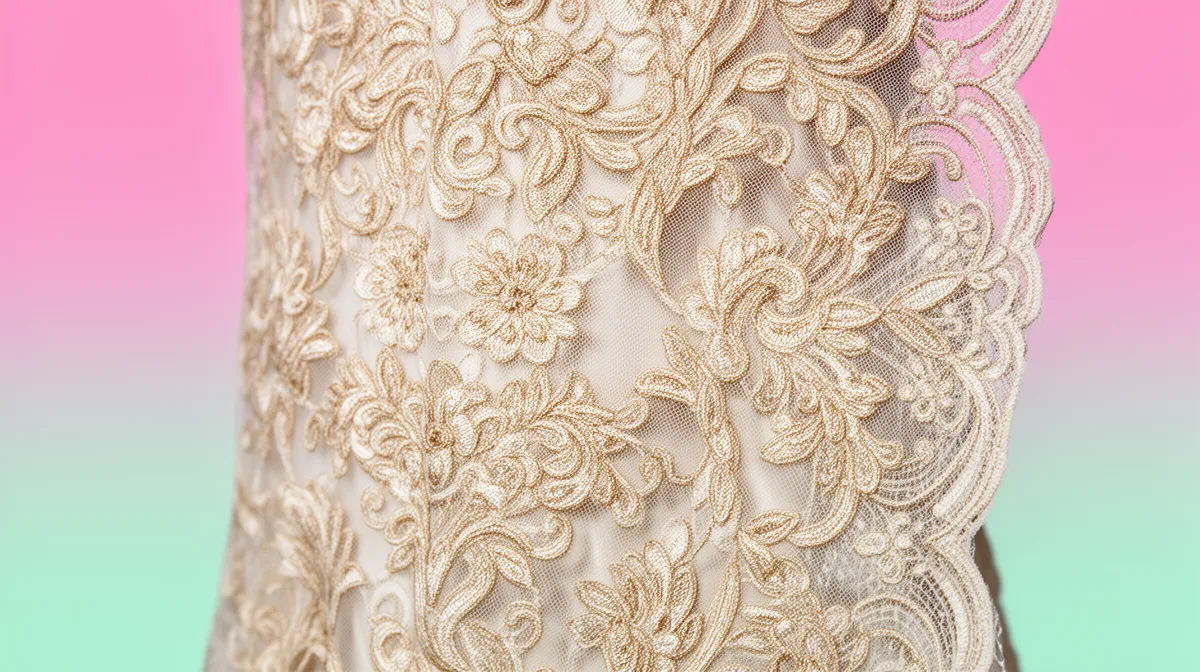
What Sets Calais Lace Apart from Mass-Produced Alternatives
Whereas Calais lace is non-stretch by nature, which places it in a specific functional role within luxury lingerie construction. Rather than conforming to the body, it structures and adorns, used as decorative panels, trims, and overlays where visual delicacy matters more than elasticity.
Fabric specialists confirm that rigid lace of this type excels in cups, cradles, and suspender details precisely because it holds its shape. Thus, For sous-vêtement femmes at the highest tier of French craftsmanship, this distinction is non-negotiable.
What mass-produced alternatives sacrifice is provenance and precision. Leavers lace remains one of the finest lace types still used in modern lingerie, associated with the most exacting standards of intimate apparel finishing.
The difference is immediately tactile: a weight, a clarity of motif, a softness against the skin that synthetic imitations simply cannot achieve.
How Lola Luna Lingerie Incorporates Calais Lace into Every Collection
Finally, Since 1975, LolaLuna Lingerie has handcrafted each piece in its workshop near Avignon using Calais lace as a signature material. This commitment runs through every collection, from lace and embroidered tulle thongs (€42-€59) to complete lingerie sets (€98-€110).
For women seeking size 14 lingerie without compromise on quality, this material choice signals something deliberate: that fit, finish, and fabric provenance are inseparable from true luxury.
- Non-stretch construction ideal for structured overlays and decorative panels
- Intricate motifs produced on historic Leavers looms, impossible to replicate industrially
- Premium hand feel that defines French luxury lingerie aesthetics
- Handcrafted integration in every LolaLuna Lingerie piece since 1975
Stretch Lace, Tulle, and Silk, the 3 Lingerie Lace Fabric Pairings That Define Modern Luxury
Three pairings define the difference between lingerie that merely looks beautiful and lingerie that fits, moves, and endures. Additionally, When selecting lingerie lace fabric for high-end construction, the combination matters as much as the material itself.
Here is how each pairing performs, and why Lola Luna Lingerie uses all three.
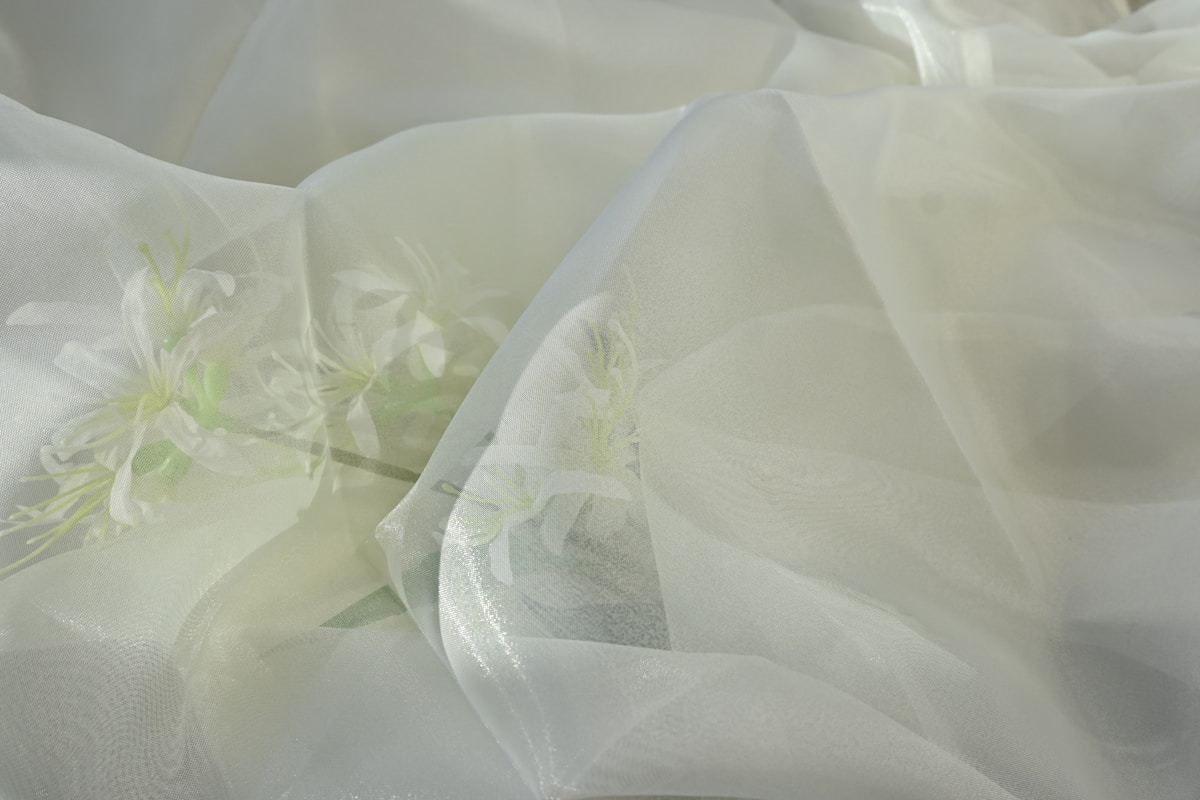
Stretch Lace for Comfort and Body Conformity
Stretch lace is the first pairing to consider for any fitted garment, and lingerie fabric experts consistently recommend it as the primary choice when elasticity is required. Unlike rigid lace, stretch lace conforms to the body through movement, making it the preferred material for thongs and micro-thongs where fit precision is non-negotiable.
Lola Luna Lingerie relies on this property for its lace thong range, priced from €42, where structure and second-skin comfort must coexist without compromise.
Silk-Lace and Tulle-Lace Combinations, when Softness Meets Structure
Meanwhile, Silk-lace pairings are widely used in luxury lingerie because each material compensates for the other's limitations. Silk contributes drape, an exceptionally refined hand feel, and a fluid weight that lace alone cannot achieve.
Lace, in return, adds visual architecture and decorative precision. As a result, The critical detail most guides overlook: pairing fabrics with mismatched stretch values distorts seams and compromises sewing stability, which is why material selection at this level demands technical rigour, not only aesthetic instinct.
Tulle introduces a third dimension entirely. Sheer, weightless, and structurally neutral, it functions both as a standalone panel and as a base for lace overlays, creating layered transparency that defines the visual signature of high-end intimate apparel.
Together, these three pairings form the material logic behind the Lola Luna Lingerie lace and silk lingerie sets (€98-€110).
- Stretch lace: body conformity, ideal for thongs and bralettes
- Silk-lace: drape and hand feel combined with decorative structure
- Tulle-lace: layered transparency with airy, sheer dimension
On the other hand, Understanding how these materials interact is also must-have when choosing pieces for your complexion and silhouette. Our guide on quelle couleur de lingerie pour ma peau explains how fabric transparency and colour interact differently across skin tones.
For those considering a lingerie shooting boudoir haut de gamme, fabric pairing choices directly affect how light renders on camera.
Lola Luna Lingerie tip: When combining lace with silk or tulle in a single garment, always verify that stretch values across panels remain consistent. For example, A mismatch of even a few percentage points creates tension at seam lines and alters the final silhouette, regardless of how refined the individual materials are.
What Most Lingerie Brands Won't Tell You About Lace Fabric Quality
The label says "lace." The price suggests luxury. Yet the garment loses its shape after three washes.
This is the quiet deception that runs through the mass-market lingerie industry, and understanding it starts with knowing precisely what separates genuine lingerie lace fabric from its industrial imitations.
What You're Really Paying For
Above all, Most brands list elastane content at exactly 3% on their labels. That figure is not a quality marker, it is the legal minimum required for disclosure under European textile labeling rules.
A fabric carrying 3% elastane may offer negligible stretch recovery, yet it satisfies regulatory requirements completely. Nonetheless, At Lola Luna Lingerie, elastic content is selected for performance across the full garment, not compliance.
Stretch values between lace and lining panels are matched deliberately, because a mismatch of even a few percentage points causes structural distortion within weeks of wear.
The 3 Quality Markers That Separate Genuine Luxury from Imitation
- Loom origin: Industrial lace can visually replicate Calais lace at a glance, but Leavers-loomed fabric carries a structural depth, natural drape, and longevity that no commodity roll can reproduce.
- Batch selection: True luxury lingerie lace fabric is chosen batch by batch for consistency of weight, hand feel, and pattern alignment, never purchased in bulk at commodity pricing.
- Fabric pairing discipline: Luxury construction demands that lace and lining share compatible stretch values. Ignoring this detail is the single most common reason elegant pieces fail structurally.
Each Lola Luna Lingerie piece reflects these standards in every stitch, a commitment visible in our lingerie shooting boudoir haut de gamme, where the fabric's behavior under light and movement reveals what no label ever could.
How Lola Luna Lingerie Turns Lace into Luxury
Three criteria separate genuine luxury lingerie lace fabric from decorative imitation: material provenance, construction method, and workshop origin. Lola Luna Lingerie satisfies all three, handcrafting every piece in its atelier near Avignon using Calais lace paired with silk and tulle, a combination fabric specialists identify as the benchmark for silk-lace compatibility in fitted garments.
Handcrafted in France, the Atelier Process Near Avignon: Heritage you can feel
Subsequently, Since 1975, each piece leaves the Avignon workshop with hand-finished edges and material pairings selected for matching stretch values, the precise detail that prevents distortion where lace meets silk panels. Luxury packaging with a signature box completes the experience, making every order as considered as the garment itself.
Choosing Your Lace Lingerie, a Practical Buyer's Verdict
For sophisticated buyers, the verdict is clear. However, Prioritise these three markers:
- Entry luxury: lace and embroidered tulle thongs (€42-€59), ideal for daily elegance
- Statement pieces: silk-lace lingerie sets (€98-€110), where Calais lace and silk combine at their finest
- Gifting: signature box packaging take up a notch any piece beyond the garment alone
FAQ - Frequently Asked Questions
What is the best type of lace fabric for making lingerie at home?
Stretch lace is the most forgiving choice for home sewing. It accommodates the body's curves without requiring complex pattern adjustments, and its elasticity means the garment moves with you rather than against you.
Therefore, For beginners, a soft nylon-spandex blend lace with at least 15% elastane strikes the right balance between ease of handling and a refined finish. As your technique develops, you can graduate to more delicate constructions.
What is Calais lace and why is it considered premium?
Calais lace originates from the town of Calais in northern France, where it has been produced on Leavers looms since the early nineteenth century. Because These mechanical looms replicate hand-bobbin techniques, creating an intricate, breathable structure that cannot be reproduced industrially at the same level of detail.
The result is a fabric with standout drape, precise motif definition, and a softness that synthetic machine-made alternatives simply cannot match. At LolaLuna Lingerie, Calais lace is a cornerstone of our craft precisely because it ages beautifully and retains its structure wash after wash.
How much elastane should lingerie lace fabric contain for a good fit?
For most lingerie pieces, a composition of 10% to 20% elastane delivers reliable stretch recovery without distorting the lace pattern.
Although Below 10%, the fabric may pull uncomfortably and lose shape quickly. Above 25%, the motifs can distort under tension, which undermines the visual integrity of the design.
The sweet spot depends on the garment: thongs and briefs benefit from higher elastane content, while bralettes can work beautifully with slightly less.
Can lace fabric be combined with silk in a single lingerie garment?
Yes, and the combination is one of the most elegant in luxury lingerie construction. While Lace typically forms the decorative panels, while silk provides the lining or the main body, adding softness against the skin and a fluid drape that lace alone cannot offer.
The key challenge is managing two very different fabrics in the same seam. Silk is slippery and requires careful pinning or basting before stitching.
At LolaLuna Lingerie, our artisans have refined this pairing over decades, which is why our lace and silk sets achieve such a smooth, second-skin feel.
What is the difference between stretch lace and non-stretch lace in lingerie?
Since Stretch lace contains elastane fibres woven into its structure, allowing it to expand and recover with the body's movement. Non-stretch lace has a fixed weave with no elasticity.
In practice, non-stretch lace is rarely used as a primary fabric in lingerie today. Whereas It appears as trim, appliqué, or decorative overlay where structure is desired rather than flexibility.
Stretch lace, by contrast, can function as the entire garment. The choice shapes not just the fit but the visual character of the piece: non-stretch lace reads as more architectural and formal, stretch lace as fluid and intimate.
How do I identify high-quality lingerie lace fabric before buying?
Thus, Hold the fabric up to light. High-quality lace has consistent, clearly defined motifs with no broken threads, uneven tension, or cloudy areas where the pattern loses definition.
Run the fabric between your fingers. Finally, Premium lace feels smooth and supple, never scratchy or stiff.
Check the selvedge edges too: a well-manufactured lace has clean, stable borders without fraying. Finally, gently stretch a corner and release it.
Additionally, Quality lace snaps back immediately with no permanent distortion. If it sags or the motifs pull out of alignment, the elastane content or weave quality is insufficient for a garment that will be worn and laundered regularly.
The Lingerie Lace Fabric That Defines You Is Already Waiting
In an era of fast fashion and synthetic shortcuts, the choice of lace remains the single most honest statement a lingerie piece makes about itself.
Every criterion explored here, structure, stretch, opacity, hand-feel, pairing logic, when all is said and done points toward one truth: the fabric is the garment. Meanwhile, Get it right, and everything else follows.
Lola Luna Lingerie has held this conviction since 1975, crafting each piece by hand near Avignon with Calais lace and silk selected for their uncompromising quality. When you wear a lingerie lace fabric that was chosen with this level of intentionality, you feel the difference immediately.
Browse the current Lola Luna Lingerie collection online to find the piece that speaks to your sensibility, from embroidered tulle thongs to full lace sets, each design is a direct expression of French handcraft at its most refined.
As a result, True luxury is never an accident. It is a decision made at the very first thread.

